
Forcep Infantile
- All products
- Surgical Instruments312 products
- Aneasthesia12 products
- Artery Forceps41 products
- Asepsis4 products
- Bone Surgery30 products
- Cotton Swab Forceps13 products
- Diagnostics6 products
- Dressing19 products
- Forceps21 products
- Measuring7 products
- Miscellaneous Products14 products
- Probes11 products
- Retractors21 products
- Scalpels18 products
- Scissors25 products
- Suture23 products
- Trocars30 products
- Dental Instruments419 products
- Applicator & Amalgame Carriers6 products
- Articulators12 products
- Bone Files3 products
- Caliper Gauges4 products
- Cotton Holder2 products
- Crown Remover2 products
- Curettes2 products
- Dissecting Kit With 13 Instruments14 products
- Espatulas3 products
- Excavators4 products
- Explorers Probes & Endodonticos Excavators15 products
- Extracting Forceps For Adults & Bone Roungers3 products
- Forcep Infantile43 products
- Fraziers4 products
- Gingival Pushers2 products
- Handles & Mouth Mirrors13 products
- Hemostats Forceps15 products
- Instruments For Carvers & Burnishers9 products
- Instruments For Endodontic39 products
- Instruments For Periodontia kitsCurettes & Sharp Punzo11 products
- Jacquette5 products
- Kit Instruments Of Model & To Wax Carvers6 products
- Matrix Retainers3 products
- Miscellaneous Products Articulos Varios7 products
- Mouth Gauges3 products
- Needle Holders8 products
- Plaster Cutting Plier1 product
- Plastic Cutting Knives5 products
- Pliers For Orthodontics & Prosthetics15 products
- Pluggers2 products
- Retractors3 products
- Root Elevators41 products
- Scissors Tigeras17 products
- Spatulas2 products
- Stainless Steel Impression Trays44 products
- Sterilizing Cases Of Stainless Steel & Accessories Of Odontologia10 products
- Syringes For Local Anesthesia9 products
- Tweezers For Sutures, Dressing & Cotton8 products
- Beauty Instruments210 products
- Acrylic Cutters7 products
- Blue Titanium Tweezer6 products
- Cuticle Nippers8 products
- Cuticle Scissors15 products
- Embroidery Scissors10 products
- Eyebrow Tweezers12 products
- Gold Titanium Tweezers8 products
- House Hold Scissors5 products
- Manicure Kits11 products
- Manicure Pushers11 products
- Matt Tweezers7 products
- Multi Titanium Tweezers8 products
- Multipurpose Scissors7 products
- Nail Cutter7 products
- Pedicure Instruments9 products
- Plastic Handle Scissors5 products
- Professional Hair Cutting Scissors16 products
- Professional Nail Cuticles Nippers8 products
- Razor5 products
- Razor Edge Dressing Scissors18 products
- Razor Edge Thinning Scissors17 products
- Standard Hair Dressing Scissors7 products
- Standard Thinning Scissors3 products
- Veterinary Instruments68 products
- Animal Care7 products
- Castration Instruments6 products
- Cattle Breeding2 products
- Cattle Marketing10 products
- Hoof & Claws8 products
- Obstetric Instruments5 products
- Restratining Instruments12 products
- Syringes, Needles & Accessories5 products
- Teat Instruments7 products
- Tooth Instruments2 products
- Trocar4 products
- Orthodontics Instruments47 products
Showing 13–24 of 43 results

Lower Molares (24)
Lower Molars:
- Extraction Forceps
- Material: Stainless steel
- Features:
- Designed for extracting lower molars; features a robust, angled beak for optimal grip and leverage on the tooth.
- Ergonomic handle design enhances control and comfort during extraction.
- Elevators
- Material: Stainless steel
- Features:
- Used to loosen lower molars prior to extraction; various shapes provide effective access to the roots.
- Minimizes trauma to surrounding tissues during the extraction process.
- Bone Chisels and Rongeurs
- Material: Stainless steel
- Features:
- Employed for removing bone around the lower molar during surgical extractions; rongeurs allow for precise and controlled bone removal.
- Surgical Scissors
- Material: Stainless steel
- Features:
- Sharp blades for making incisions in soft tissue during molar extractions or surgical procedures.
- Irrigation Needles
- Material: Stainless steel or plastic
- Features:
- Long, slender tips for delivering irrigants, helping maintain a clean surgical field during extraction.
- Suction Tips
- Material: Plastic or stainless steel
- Features:
- Essential for clearing blood and debris during the extraction, ensuring visibility and a clean field.
- X-ray Film or Sensors
- Material: Photographic film or digital sensors
- Features:
- Used to assess the position and roots of lower molars; critical for planning and executing extractions.
Specific Instrument: 24
- 24 Forceps
- Material: Stainless steel
- Features:
- Specifically designed for the extraction of lower molars.
- Features a robust, angled beak that effectively grips the tooth, allowing for strong leverage during extraction.
- Ergonomic handle design promotes clinician comfort and precision during procedures.
Additional Notes
- Instruments are typically autoclavable for sterility and hygiene.
- Proper selection and handling of instruments are crucial for the efficiency and success of lower molar extractions. Ergonomic designs help improve clinician comfort and control during these challenging procedures.

Lower Roots
Lower Roots:
Description:- Lower roots refer to the root structures of teeth located in the lower jaw (mandible), providing anchorage and support for the teeth. They are critical for the stability and functionality of lower teeth, especially molars and premolars.
- Number: Each tooth typically has one to three roots, depending on the type of tooth. For example, lower molars usually have two or three roots.
- Shape: Roots are conical or flattened, tapering toward the apex (tip) and are embedded in the alveolar bone.
- Length: Root length varies by tooth type, with molar roots being generally longer and more complex than those of incisors.
- Root Canal: The interior space within the root that contains the pulp (nerves and blood vessels).
- Cementum: A bone-like tissue covering the root, aiding in attachment to the periodontal ligament.
- Periodontal Ligament: A connective tissue that anchors the tooth roots to the jawbone, allowing for slight movement during chewing.
- Anchorage: Roots anchor the teeth securely in the jawbone, providing stability for chewing and biting.
- Support: They help distribute forces generated during chewing across the jawbone, reducing stress on the teeth and surrounding structures.
- Infection: Root infections can occur, leading to pain and the need for root canal treatment.
- Periodontal Disease: Gum disease can lead to root exposure and loss of bone support, potentially resulting in tooth loss.
- Fractures: Roots can fracture due to trauma or excessive force, which may require surgical intervention.
- Maintaining good oral hygiene through regular brushing, flossing, and dental check-ups is crucial for the health of lower roots. This helps prevent periodontal disease and other issues that can compromise root integrity and overall dental health.

Lower Roots
Lower Roots:
Description:- Lower roots refer to the root structures of teeth located in the lower jaw (mandible), providing anchorage and support for the teeth. They are critical for the stability and functionality of lower teeth, especially molars and premolars.
- Number: Each tooth typically has one to three roots, depending on the type of tooth. For example, lower molars usually have two or three roots.
- Shape: Roots are conical or flattened, tapering toward the apex (tip) and are embedded in the alveolar bone.
- Length: Root length varies by tooth type, with molar roots being generally longer and more complex than those of incisors.
- Root Canal: The interior space within the root that contains the pulp (nerves and blood vessels).
- Cementum: A bone-like tissue covering the root, aiding in attachment to the periodontal ligament.
- Periodontal Ligament: A connective tissue that anchors the tooth roots to the jawbone, allowing for slight movement during chewing.
- Anchorage: Roots anchor the teeth securely in the jawbone, providing stability for chewing and biting.
- Support: They help distribute forces generated during chewing across the jawbone, reducing stress on the teeth and surrounding structures.
- Infection: Root infections can occur, leading to pain and the need for root canal treatment.
- Periodontal Disease: Gum disease can lead to root exposure and loss of bone support, potentially resulting in tooth loss.
- Fractures: Roots can fracture due to trauma or excessive force, which may require surgical intervention.
- Maintaining good oral hygiene through regular brushing, flossing, and dental check-ups is crucial for the health of lower roots. This helps prevent periodontal disease and other issues that can compromise root integrity and overall dental health.

Lower Third Molars
Lower Third Molars:
- Extraction Forceps
- Material: Stainless steel
- Features: Designed specifically for lower third molars; features curved beaks for effective gripping and leverage.
- Elevators
- Material: Stainless steel
- Features: Used to loosen third molars before extraction; various shapes for access to the roots and surrounding bone.
- Bone Chisels and Rongeurs
- Material: Stainless steel
- Features: Used for removing bone around the molar during surgical extractions; rongeurs have a scissor-like action for precise bone removal.
- Surgical Scissors
- Material: Stainless steel
- Features: Used for cutting soft tissue during extraction procedures; various styles for different surgical needs.
- Suction Tips
- Material: Plastic or stainless steel
- Features: Essential for maintaining a clear field by removing blood and debris during surgery.
- Scalpel Blades
- Material: Stainless steel
- Features: Sharp blades for making incisions in soft tissue during surgical extractions.
- Irrigation Needles
- Material: Stainless steel or plastic
- Features: Used to flush out the extraction site and keep the area clean during surgery.
- Sutures
- Material: Absorbable or non-absorbable materials
- Features: Used to close incisions after extraction; various types for different healing needs.
- X-ray Film or Sensors
- Material: Photographic film or digital sensors
- Features: Used for assessing the position and roots of lower third molars; essential for planning extractions.
Additional Notes
- Instruments are often autoclavable to ensure cleanliness and sterility.
- Ergonomic designs enhance comfort and control during procedures, especially given the complexities associated with lower third molars.

Lower Third Molars
Lower Third Molars:
- Extraction Forceps
- Material: Stainless steel
- Features: Designed specifically for extracting lower third molars; features angled beaks for effective gripping and leverage.
- Elevators
- Material: Stainless steel
- Features: Used to loosen lower third molars before extraction; various shapes to access the roots effectively, especially in tight spaces.
- Bone Chisels and Rongeurs
- Material: Stainless steel
- Features: Used for removing bone around the third molar during surgical extractions; rongeurs allow for precise and controlled bone removal.
- Surgical Scissors
- Material: Stainless steel
- Features: Sharp blades for making incisions in soft tissue during surgical extractions.
- Irrigation Needles
- Material: Stainless steel or plastic
- Features: Long, slender tips for delivering irrigants to maintain a clean field during the extraction procedure.
- Suction Tips
- Material: Plastic or stainless steel
- Features: Essential for removing blood and debris during the extraction process to keep the surgical area clear.
- X-ray Film or Sensors
- Material: Photographic film or digital sensors
- Features: Used to assess the position and roots of lower third molars; critical for planning and executing extractions.
Additional Notes
- Instruments are typically autoclavable to ensure sterility and hygiene.
- Ergonomic designs enhance clinician comfort and control, which is especially important when dealing with the complex anatomy of lower third molars. Proper selection and use of instruments can significantly improve the efficiency and success of extraction procedures.

Upper and Lower Roots
Upper and Lower Roots:
- Endodontic Files
- Material: Stainless steel or nickel-titanium
- Features: Flexible and tapered for cleaning and shaping the root canals; various sizes accommodate different canal systems.
- Reamers
- Material: Stainless steel or nickel-titanium
- Features: Used to enlarge root canals; designed for navigating the anatomical complexities of upper and lower roots.
- Irrigation Needles
- Material: Stainless steel or plastic
- Features: Long, slender tips for delivering irrigants to effectively flush debris from root canals.
- Paper Points
- Material: Absorbent paper
- Features: Used for drying root canals after cleaning; available in various sizes to match different canal widths.
- Gutta-Percha Points
- Material: Gutta-percha (natural latex material)
- Features: Biocompatible material used for filling cleaned canals; radiopaque for visibility on X-rays.
- Dental Forceps
- Material: Stainless steel
- Features: Specifically shaped for extracting teeth with complex root structures; designed for effective gripping of upper and lower roots.
- Elevators
- Material: Stainless steel
- Features: Used to loosen teeth prior to extraction; various designs for accessing roots effectively.
- Composite Instruments
- Material: Stainless steel or plastic
- Features: Tools for placing and shaping composite materials in restorations; includes spatulas and condensers.
- Surgical Scissors
- Material: Stainless steel
- Features: Used for cutting soft tissue during surgical procedures involving upper and lower roots.
Specific Instrument: SK69
- SK69 Elevator
- Material: Stainless steel
- Features:
- Designed for elevating teeth with complex root anatomy, effective for both upper and lower roots.
- Features a sharp, angled tip for improved access and leverage.
- Ergonomic handle for better control and comfort during use.
Additional Notes
- Instruments are typically autoclavable for sterility.
- Ergonomic designs are essential for enhancing precision and comfort during procedures involving intricate root systems.

Upper and Lower Roots
Upper and Lower Roots:
- Extraction Forceps
- Material: Stainless steel
- Features:
- Designed for extracting teeth with complex root systems; available in various sizes and shapes to accommodate both upper and lower roots.
- Features angled beaks for optimal grip and leverage.
- Elevators
- Material: Stainless steel
- Features:
- Used to loosen teeth before extraction, especially effective for upper and lower roots; various designs provide access to difficult-to-reach areas.
- Helps reduce trauma to surrounding tissues during extraction.
- Endodontic Files
- Material: Stainless steel or nickel-titanium
- Features:
- Tapered and flexible for cleaning and shaping root canals in both upper and lower teeth.
- Available in various sizes to accommodate different canal anatomies.
- Reamers
- Material: Stainless steel or nickel-titanium
- Features:
- Used to enlarge root canals; specifically designed to navigate the unique anatomy of both upper and lower roots.
- Paper Points
- Material: Absorbent paper
- Features:
- Utilized for drying root canals after cleaning and irrigation; available in different sizes to fit various canal widths.
- Gutta-Percha Points
- Material: Gutta-percha (natural latex material)
- Features:
- Biocompatible material used for filling cleaned root canals; radiopaque for visibility on X-rays.
- Suction Tips
- Material: Plastic or stainless steel
- Features:
- Essential for maintaining a clear field by removing blood and debris during procedures.
- Surgical Scissors
- Material: Stainless steel
- Features:
- Sharp blades for making incisions in soft tissue during extraction or surgical procedures.
- Bone Chisels and Rongeurs
- Material: Stainless steel
- Features:
- Used for removing bone around roots during surgical extractions; rongeurs provide precise and controlled bone removal.
Additional Notes
- Instruments are typically autoclavable for sterility and hygiene.
- Proper selection and handling of instruments are crucial for the efficiency and success of extraction and endodontic procedures, particularly when dealing with complex root anatomy in both upper and lower teeth. Ergonomic designs help enhance clinician comfort and control during these delicate procedures.

Upper Incisors
Upper Incisors:
- Endodontic Files
- Material: Stainless steel or nickel-titanium
- Features: Tapered and flexible for cleaning and shaping the narrower root canals typically found in incisors.
- Reamers
- Material: Stainless steel or nickel-titanium
- Features: Used for enlarging root canals; designed to navigate the delicate anatomy of incisor roots.
- Irrigation Needles
- Material: Stainless steel or plastic
- Features: Long, slender tips for delivering irrigants to cleanse the canal during endodontic treatment.
- Paper Points
- Material: Absorbent paper
- Features: Used for drying root canals after irrigation; come in various sizes to fit the canal width.
- Gutta-Percha Points
- Material: Gutta-percha (natural latex material)
- Features: Biocompatible material used for filling cleaned canals; radiopaque for visibility on X-rays.
- Dental Forceps
- Material: Stainless steel
- Features: Specifically designed for extracting upper incisors; slim beaks for effective grasping of the tooth.
- Elevators
- Material: Stainless steel
- Features: Used to loosen incisors prior to extraction; designed for access to the roots in the anterior region.
- Composite Instruments
- Material: Stainless steel or plastic
- Features: Tools for placing, shaping, and finishing composite restorations; includes spatulas and condensers.
- Matrix Bands
- Material: Thin stainless steel or plastic
- Features: Flexible bands used to create a temporary wall during restoration of incisors, ensuring proper shape.
Additional Notes
- Instruments are typically autoclavable to ensure sterility.
- Ergonomic designs enhance clinician comfort and control, particularly important in the anterior area where visibility and precision are key.

Upper Incisors And Roots
Upper Incisors and Roots;
- Extraction Forceps
- Material: Stainless steel
- Features:
- Designed for extracting upper incisors; features a slim, curved beak that allows for effective grip on the tooth.
- Ergonomic handle for enhanced control and comfort during extraction.
- Elevators
- Material: Stainless steel
- Features:
- Used to loosen upper incisors before extraction; various shapes provide access to the roots and facilitate tooth removal.
- Minimizes trauma to surrounding tissues during the extraction process.
- Endodontic Files
- Material: Stainless steel or nickel-titanium
- Features:
- Tapered and flexible for cleaning and shaping the root canals of upper incisors.
- Available in multiple sizes to accommodate different canal anatomies.
- Reamers
- Material: Stainless steel or nickel-titanium
- Features:
- Used to enlarge root canals during endodontic procedures; specifically designed for the anatomy of upper incisors.
- Paper Points
- Material: Absorbent paper
- Features:
- Utilized for drying root canals after cleaning and irrigation; available in various sizes for different canal widths.
- Gutta-Percha Points
- Material: Gutta-percha (natural latex material)
- Features:
- Biocompatible material used for filling cleaned root canals; radiopaque for visibility on X-rays.
- Suction Tips
- Material: Plastic or stainless steel
- Features:
- Essential for maintaining a clear field by removing blood and debris during procedures.
- Surgical Scissors
- Material: Stainless steel
- Features:
- Sharp blades for making incisions in soft tissue during extraction or surgical procedures.
Specific Instrument: 65
- 65 Forceps
- Material: Stainless steel
- Features:
- Specifically designed for the extraction of upper incisors.
- Features a slender, angled design that provides excellent access to the tooth and roots.
- Ergonomic handle design enhances clinician comfort and control during the extraction process.
Additional Notes
- Instruments are typically autoclavable for sterility and hygiene.
- Proper selection and handling of instruments are crucial for the efficiency and success of extraction and endodontic procedures, particularly in the upper anterior region. Ergonomic designs help enhance clinician comfort and precision during these delicate procedures.

Upper Incisors, Canines, Premolars
Upper Incisors, Canines, and Premolars:
- Endodontic Files
- Material: Stainless steel or nickel-titanium
- Features: Tapered and flexible for cleaning and shaping the canals of incisors, canines, and premolars; available in various sizes.
- Reamers
- Material: Stainless steel or nickel-titanium
- Features: Used for enlarging root canals; designed to accommodate the specific anatomy of anterior and premolar teeth.
- Irrigation Needles
- Material: Stainless steel or plastic
- Features: Long, slender tips for delivering irrigants to clean out root canals effectively.
- Paper Points
- Material: Absorbent paper
- Features: Utilized for drying root canals after cleaning; available in various sizes for different canal dimensions.
- Gutta-Percha Points
- Material: Gutta-percha (natural latex material)
- Features: Biocompatible material for filling root canals; radiopaque for easy identification on X-rays.
- Dental Forceps
- Material: Stainless steel
- Features: Specifically shaped for extracting upper incisors, canines, and premolars; designed for optimal gripping and control.
- Elevators
- Material: Stainless steel
- Features: Used to loosen teeth before extraction; various shapes for accessing roots in the anterior region.
- Composite Instruments
- Material: Stainless steel or plastic
- Features: Tools for placing and shaping composite materials in restorations; includes spatulas and condensers.
- Matrix Bands
- Material: Thin stainless steel or plastic
- Features: Flexible bands used to create temporary walls during restorations, ensuring proper tooth contour.
Specific Instrument: SK99
- SK99 Elevator
- Material: Stainless steel
- Features:
- Designed for elevating upper incisors, canines, and premolars.
- Features a sharp, angled tip for effective access and leverage.
- Ergonomic handle for improved control and comfort during use.
Additional Notes
- Instruments are typically autoclavable for sterility and hygiene.
- Ergonomic designs enhance precision and comfort for the clinician, particularly important during intricate procedures in the anterior region.
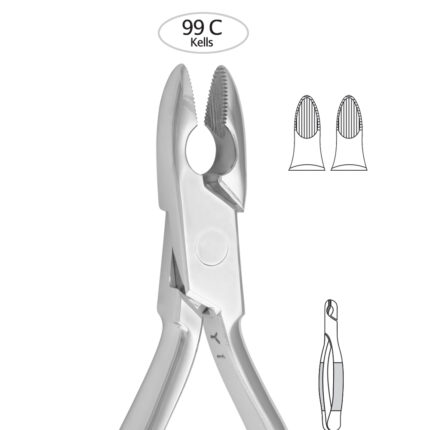
Upper Incisors, Canines, Premolars
Upper Incisors, Canines, and Premolars:
- Extraction Forceps
- Material: Stainless steel
- Features:
- Designed for extracting upper incisors, canines, and premolars; features angled beaks for effective grip and leverage.
- Slim profile allows access to anterior teeth while minimizing trauma to surrounding tissues.
- Elevators
- Material: Stainless steel
- Features:
- Used to loosen teeth before extraction; various shapes provide effective access to roots and facilitate removal.
- Ergonomically designed to improve control and reduce tissue trauma.
- Endodontic Files
- Material: Stainless steel or nickel-titanium
- Features:
- Tapered and flexible for cleaning and shaping canals in incisors and premolars.
- Available in various sizes to accommodate different canal anatomies.
- Reamers
- Material: Stainless steel or nickel-titanium
- Features:
- Used to enlarge root canals; specifically designed for the anatomy of upper anterior teeth.
- Paper Points
- Material: Absorbent paper
- Features:
- Utilized for drying root canals after cleaning and irrigation; available in various sizes to fit different canal widths.
- Gutta-Percha Points
- Material: Gutta-percha (natural latex material)
- Features:
- Biocompatible material used for filling cleaned root canals; radiopaque for visibility on X-rays.
- Suction Tips
- Material: Plastic or stainless steel
- Features:
- Essential for maintaining a clear field by removing blood and debris during procedures.
- Surgical Scissors
- Material: Stainless steel
- Features:
- Sharp blades for cutting soft tissue during extraction or surgical procedures.
Specific Instrument: 99 C
- 99 C Forceps
- Material: Stainless steel
- Features:
- Specifically designed for extracting upper incisors, canines, and premolars.
- Features a tapered design for better access to the roots and an effective grip on the tooth.
- Ergonomic handle for enhanced control and comfort during extraction procedures.
Additional Notes
- Instruments are typically autoclavable for sterility and hygiene.
- Proper selection and handling of instruments are crucial for the efficiency and success of extraction and endodontic procedures, especially in the upper anterior region. Ergonomic designs help enhance clinician comfort and control during these delicate procedures.

Upper Incisors, Premolars, Roots
Upper Incisors and Premolars:
- Endodontic Files
- Material: Stainless steel or nickel-titanium
- Features: Tapered and flexible for cleaning and shaping the root canals of incisors and premolars; available in various sizes.
- Reamers
- Material: Stainless steel or nickel-titanium
- Features: Used for enlarging root canals; specifically designed to navigate the delicate anatomy of upper anterior teeth.
- Irrigation Needles
- Material: Stainless steel or plastic
- Features: Long, slender tips for delivering irrigants to flush debris from root canals during endodontic procedures.
- Paper Points
- Material: Absorbent paper
- Features: Used for drying root canals after cleaning and irrigation; come in various sizes to fit different canal widths.
- Gutta-Percha Points
- Material: Gutta-percha (natural latex material)
- Features: Biocompatible filling material for root canals; radiopaque to allow for visibility on X-rays.
- Dental Forceps
- Material: Stainless steel
- Features: Specifically shaped for extracting upper incisors and premolars; designed for effective gripping and control.
- Elevators
- Material: Stainless steel
- Features: Used to loosen teeth before extraction; various designs for accessing upper roots effectively.
- Composite Instruments
- Material: Stainless steel or plastic
- Features: Tools for placing, shaping, and finishing composite restorations; includes spatulas and condensers for smooth application.
- Matrix Bands
- Material: Thin stainless steel or plastic
- Features: Flexible bands for creating temporary walls during restorations; essential for achieving proper contours.
Additional Notes
- Instruments are typically autoclavable for hygiene and sterility.
- Ergonomic designs enhance clinician comfort and control, particularly important for precise work in the anterior region of the mouth.