Showing 1–12 of 30 results

Bone surgery

Bone surgery, also known as orthopedic surgery, encompasses a range of procedures aimed at diagnosing, treating, and rehabilitating conditions related to the bones and joints. Here’s an overview of key aspects related to bone surgery:

Types of Bone Surgery

  1. Fracture Repair
    • Internal Fixation: Involves the use of plates, screws, or rods to stabilize broken bones internally.
    • External Fixation: Uses an external frame to stabilize bone fragments from outside the body.
  2. Joint Replacement
    • Total Joint Replacement: Replacement of a damaged joint (e.g., hip or knee) with a prosthetic implant.
    • Partial Joint Replacement: Replacing only the damaged part of the joint.
  3. Arthroscopy
    • A minimally invasive procedure using a small camera (arthroscope) and instruments to diagnose and treat joint issues.
  4. Osteotomy
    • Surgical cutting and repositioning of bone to correct deformities or alignment issues.
  5. Bone Grafting
    • Involves transplanting bone tissue to repair or rebuild bones, often used in conjunction with other surgeries.
  6. Spinal Surgery
    • Procedures such as discectomy, laminectomy, or spinal fusion to treat conditions affecting the spine.

Indications for Bone Surgery

  • Fractures that cannot heal properly without surgical intervention.
  • Severe arthritis causing debilitating joint pain.
  • Deformities or malalignment of bones.
  • Tumors affecting bone integrity.
  • Injuries resulting from sports, falls, or accidents.

Surgical Techniques

  • Open Surgery: Involves a large incision to access the bone directly.
  • Minimally Invasive Surgery: Utilizes smaller incisions and specialized instruments, leading to less tissue damage and faster recovery.

Recovery and Rehabilitation

  • Physical Therapy: Essential for regaining strength and mobility post-surgery.
  • Follow-Up Care: Regular check-ups to monitor healing and adjust rehabilitation plans as needed.

Risks and Complications

  • Infection, blood clots, nerve damage, and complications related to anesthesia.
  • Nonunion or malunion of bones, requiring further treatment.

Conclusion

Bone surgery plays a crucial role in restoring function and improving the quality of life for patients with bone and joint conditions. If you have specific questions about a particular type of bone surgery or related topics, feel free to ask!

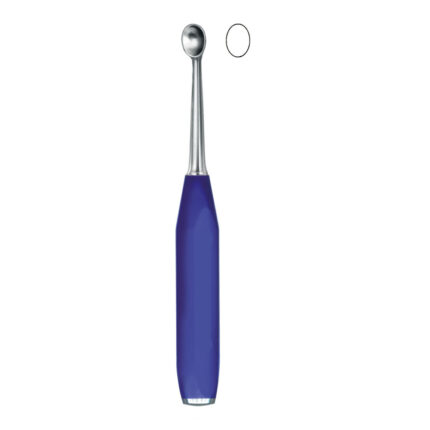
Bone surgery , Bone curette, acc. to acc. to Simon, with hollow Handle, oval

Simon Oval Bone Curette (Hollow Handle)

  • Purpose: Designed for scraping, debriding, and contouring bone and soft tissue during surgical procedures.
  • Design:
    • Features an oval-shaped blade that effectively removes bone fragments and allows for precise shaping of bone surfaces.
    • The design promotes efficient scraping with minimal trauma to surrounding tissues.
  • Handle:
    • The hollow handle design reduces weight, making the instrument easier to maneuver and minimizing hand fatigue during prolonged use.
    • Often textured or ergonomically shaped to ensure a comfortable and secure grip.
  • Material:
    • Made from high-quality stainless steel for durability and resistance to corrosion.
    • Polished for easy cleaning and maintenance, promoting longevity of the instrument.
  • Size:
    • Available in various lengths and blade sizes to suit different surgical applications and preferences.
  • Applications:
    • Commonly used in orthopedic surgeries, particularly for procedures like joint debridement, osteotomies, and bone grafting.
  • Advantages:
    • The hollow handle design enhances maneuverability, while the oval blade shape allows for optimal access and precision in complex surgical fields.

Bone surgery , Bone curette, acc. to Bruns, solid, oval

Bruns Solid Oval Bone Curette

  • Purpose: Designed for scraping, debriding, and shaping bone and soft tissue during surgical procedures.
  • Design:
    • Features a solid, oval-shaped blade that allows for effective removal of bone fragments and tissue.
    • The oval design promotes a smooth cutting action and is effective for contouring bone surfaces.
  • Handle:
    • Typically has a sturdy handle that provides a secure grip, ensuring precise control during use.
    • The handle design is often ergonomic to reduce hand fatigue during extended procedures.
  • Material:
    • Made from high-quality stainless steel, ensuring durability and resistance to corrosion.
    • Usually polished for easy cleaning and maintenance.
  • Size:
    • Available in various lengths and blade sizes to accommodate different surgical needs.
  • Applications:
    • Commonly used in orthopedic surgeries, particularly for joint debridement, osteochondral repairs, and other procedures requiring careful manipulation of bone and soft tissue.
  • Advantages:
    • The solid construction provides stability and strength, allowing for effective scraping without the risk of breakage.
    • The oval blade shape allows for optimal access to various anatomical areas, enhancing surgical precision.

Bone surgery , Bone curette, acc. to Molt, double-ended

Molt Double-Ended Bone Curette

  • Purpose: Designed for scraping, debriding, and contouring bone and soft tissue during surgical procedures.
  • Design:
    • Features a double-ended design, with a scoop-shaped blade on each end, allowing for versatility in use.
    • Each end may have different sizes or shapes of blades to accommodate various surgical needs and anatomical areas.
  • Handle:
    • Typically has a sturdy handle that provides a secure grip, allowing for precise control during manipulation.
    • The design is often ergonomic to reduce hand fatigue during prolonged procedures.
  • Material:
    • Made from high-quality stainless steel, ensuring durability and resistance to corrosion.
    • Usually polished for easy cleaning and maintenance.
  • Size:
    • Available in various lengths to suit different surgical applications and preferences.
  • Applications:
    • Commonly used in orthopedic surgeries for joint debridement, osteotomies, and other procedures requiring careful handling of bone and soft tissue.
  • Advantages:
    • The double-ended feature enhances efficiency, as the surgeon can switch between different blade sizes without needing to change instruments, facilitating smoother and quicker procedures.

Bone surgery , Bone curette, acc. to Molt, no. 4

Molt Bone Curette No. 4 (Right Angled)

  • Purpose: Designed for scraping and debriding bone and soft tissue during surgical procedures.
  • Design:
    • Features a right-angled blade that allows for effective access to hard-to-reach areas and precise contouring of bone surfaces.
    • The No. 4 designation typically indicates a specific blade size, providing versatility in various surgical applications.
  • Handle:
    • Constructed with a sturdy handle that ensures a secure grip for enhanced control during use.
    • The design may facilitate comfortable manipulation, reducing fatigue for the surgeon.
  • Material:
    • Made from high-quality stainless steel, ensuring durability and resistance to corrosion.
    • Polished for ease of cleaning and maintenance.
  • Size:
    • The right-angled blade is designed to suit specific surgical needs, particularly in orthopedic procedures.
  • Applications:
    • Commonly used in orthopedic surgeries, including joint debridement, osteotomies, and other interventions requiring careful bone management.
  • Advantages:
    • The right-angle configuration provides optimal visibility and access in confined surgical spaces, enhancing the effectiveness of procedures.

Bone surgery , Bone curette, acc. to Molt, no.2

Molt Bone Curette No. 2

  • Purpose: Designed for scraping, debriding, and shaping bone and soft tissue during surgical procedures.
  • Design:
    • Features a scoop-shaped blade that allows for effective removal of bone fragments and debris.
    • The No. 2 designation typically indicates a smaller blade size, ideal for detailed work in delicate areas.
  • Handle:
    • Constructed with a sturdy handle that ensures a secure grip for precise control during use.
    • The design is ergonomic to minimize fatigue during extended procedures.
  • Material:
    • Made from high-quality stainless steel for durability and resistance to corrosion.
    • Polished for easy cleaning and maintenance, promoting longevity of the instrument.
  • Size:
    • The No. 2 model is suitable for various surgical applications, particularly in confined or intricate anatomical spaces.
  • Applications:
    • Commonly used in orthopedic surgeries, including procedures such as joint debridement, osteotomies, and bone grafting.
  • Advantages:
    • The smaller size and design allow for optimal maneuverability in complex surgical fields, enhancing the surgeon's ability to perform precise work.

Bone surgery , Bone curette, acc. to Molt, right angled, no. 5

Molt Bone Curette No. 5 (Right Angled)

  • Purpose: Designed for scraping and debriding bone and soft tissue during surgical procedures.
  • Design:
    • Features a right-angled blade that allows for effective access to hard-to-reach areas and precise contouring of bone surfaces.
    • The No. 5 designation typically indicates a specific blade size, providing versatility in various surgical applications.
  • Handle:
    • Constructed with a sturdy handle that ensures a secure grip for enhanced control during use.
    • The design may facilitate comfortable manipulation, reducing fatigue for the surgeon.
  • Material:
    • Made from high-quality stainless steel, ensuring durability and resistance to corrosion.
    • Polished for ease of cleaning and maintenance.
  • Size:
    • The right-angled blade is designed to suit specific surgical needs, particularly in orthopedic procedures.
  • Applications:
    • Commonly used in orthopedic surgeries, including joint debridement, osteotomies, and other interventions requiring careful bone management.
  • Advantages:
    • The right-angle configuration provides optimal visibility and access in confined surgical spaces, enhancing the effectiveness of procedures.

Bone surgery , Bone curette, acc. to Scoville, with hollow Handle, angled upwards

Scoville Bone Curette (Hollow Handle, Upward Angled)

  • Purpose: Designed for scraping, debriding, and shaping bone and soft tissue during surgical procedures.
  • Design:
    • Features an upward-angled blade, allowing for enhanced access to areas that are difficult to reach, particularly in confined spaces.
    • The blade is crafted to efficiently remove bone fragments while minimizing trauma to surrounding tissues.
  • Handle:
    • The hollow handle design reduces weight, improving maneuverability and reducing fatigue during prolonged use.
    • Often textured or ergonomically shaped for a secure and comfortable grip, ensuring precise control during surgery.
  • Material:
    • Constructed from high-quality stainless steel for durability and resistance to corrosion.
    • Polished for easy cleaning and maintenance, promoting longevity of the instrument.
  • Size:
    • Available in various lengths and blade sizes to suit different surgical applications and preferences.
  • Applications:
    • Commonly used in orthopedic surgeries, especially for joint debridement, osteotomies, and procedures involving bone grafting.
  • Advantages:
    • The upward-angled design facilitates optimal visibility and access, enabling the surgeon to perform delicate procedures effectively.

Bone surgery , Bone curette, acc. to Spratt, with hollow Handle, oval

Spratt Oval Bone Curette (Hollow Handle)

  • Purpose: Designed for scraping, debriding, and shaping bone and soft tissue during surgical procedures.
  • Design:
    • Features an oval-shaped blade that effectively removes bone fragments while allowing for precise contouring of bone surfaces.
    • The blade is designed for efficient scraping with minimal trauma to surrounding tissues.
  • Handle:
    • The hollow handle design makes the instrument lightweight, enhancing maneuverability and reducing hand fatigue during extended use.
    • The handle may have a textured surface or ergonomic shape for a secure and comfortable grip.
  • Material:
    • Made from high-quality stainless steel for durability and resistance to corrosion.
    • The polished finish allows for easy cleaning and maintenance.
  • Size:
    • Available in various lengths and blade sizes to accommodate different surgical needs and preferences.
  • Applications:
    • Commonly used in orthopedic and reconstructive surgeries, including joint debridement, osteotomies, and bone grafting procedures.
  • Advantages:
    • The oval blade design allows for optimal access to curved anatomical structures, facilitating precise and effective bone and tissue management.

Bone surgery , Bone curette, acc. to Volkmann, silicone coated Handle

Volkmann Bone Curette (Silicone-Coated Handle)

  • Purpose: Designed for scraping, debriding, and shaping bone and soft tissue during surgical procedures.
  • Design:
    • Features a robust blade, often oval-shaped, that allows for effective removal of bone fragments and precise contouring.
    • The blade design promotes efficient cutting while minimizing trauma to surrounding tissues.
  • Handle:
    • Equipped with a silicone-coated handle that enhances grip and comfort, reducing the risk of slippage during use.
    • The silicone coating may provide additional cushioning, making it easier to handle for extended periods.
  • Material:
    • The blade is typically made from high-quality stainless steel, ensuring durability and resistance to corrosion.
    • The silicone coating is designed for easy cleaning and improved tactile feedback.
  • Size:
    • Available in various lengths and blade sizes to suit different surgical applications and preferences.
  • Applications:
    • Commonly used in orthopedic surgeries, particularly for procedures like joint debridement, osteochondral repairs, and bone grafting.
  • Advantages:
    • The silicone-coated handle provides enhanced comfort and control, allowing for improved precision during delicate procedures.
    • The design allows for optimal access to curved anatomical areas, facilitating effective bone and tissue management.

Bone surgery , Bone curette, acc. to Volkmann, with hollow Handle, oval

Volkmann Oval Bone Curette (Hollow Handle)

  • Purpose: Designed for scraping, debriding, and contouring bone and soft tissue during surgical procedures.
  • Design:
    • Features an oval-shaped blade that effectively removes bone fragments and allows for precise shaping of bone surfaces.
    • The blade is designed to provide a smooth, efficient cutting action while minimizing trauma to surrounding tissues.
  • Handle:
    • The hollow handle design makes the tool lightweight and easy to maneuver, reducing fatigue during prolonged use.
    • The handle may be textured or ergonomically shaped to ensure a comfortable and secure grip.
  • Material:
    • Constructed from high-quality stainless steel for durability and resistance to corrosion.
    • Often polished for easy cleaning and maintenance, ensuring longevity of the instrument.
  • Size:
    • Available in various lengths and blade sizes to accommodate different surgical needs and preferences.
  • Applications:
    • Commonly used in orthopedic and reconstructive surgeries, including procedures like joint debridement, osteotomies, and bone grafting.
  • Advantages:
    • The oval shape of the blade allows for optimal access to curved anatomical structures, enhancing the surgeon's ability to perform delicate tasks effectively.

Bone surgery , Bone curette, acc. to Williger

Bone Curette (Model USA, Hollow Handle, Oval, Left Angled)

  • Purpose: Designed for scraping and debriding bone and soft tissue during surgical procedures.
  • Design:
    • Features an oval-shaped blade that allows for effective tissue removal and bone contouring.
    • Left-angled design facilitates access to areas that are difficult to reach, enhancing surgical precision.
  • Handle:
    • Hollow handle design provides a lightweight yet sturdy tool, allowing for easy maneuverability during procedures.
    • The handle may be textured for improved grip and control.
  • Material:
    • Constructed from high-quality stainless steel to ensure durability and resistance to corrosion.
    • Polished finish for easy cleaning and maintenance.
  • Size:
    • Available in various lengths and blade sizes to accommodate different surgical needs and preferences.
  • Applications:
    • Commonly used in orthopedic surgeries, particularly in procedures involving joint debridement, osteochondral defects, and other bone-related interventions.
  • Advantages:
    • The left-angled design allows for optimal access to specific anatomical sites, improving the surgeon's ability to perform delicate procedures.
These features make this bone curette an essential instrument for orthopedic surgeons, providing precision and effectiveness in bone and tissue management during surgery.
4o mini
You said:
Bone surgery , Bone curette, acc. to Williger
ChatGPT said:
ChatGPT
Here’s a description of a bone curette according to Williger:

Williger Bone Curette

  • Purpose: Designed for the scraping and debridement of bone and soft tissue during surgical procedures.
  • Design:
    • Typically features a scoop-shaped blade that effectively removes bone fragments and debris.
    • May come in various shapes and sizes, allowing for versatility in different surgical contexts.
  • Handle:
    • Usually constructed with a sturdy handle that provides a comfortable grip for precision control.
    • Some models may have a textured or ergonomic design to enhance user comfort.
  • Material:
    • Made from high-quality stainless steel, ensuring durability, strength, and resistance to corrosion.
    • Often polished for easy cleaning and maintenance.
  • Size:
    • Available in multiple lengths and diameters to cater to different surgical needs and preferences.
  • Applications:
    • Commonly used in orthopedic and reconstructive surgeries for procedures such as joint debridement, osteotomy, and bone grafting.
  • Advantages:
    • The design allows for effective access to various anatomical areas, promoting precision in bone and tissue management.