


A surgical instrument is a specially designed tool or device for performing specific actions of carrying out desired effects during a surgery or operation, such …


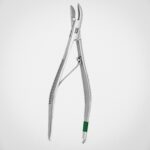
Surgical Instruments
A surgical instrument is a specially designed tool or device for performing specific actions of carrying out desired effects during a surgery or operation, such …
- Customized logo(Min. Order: 2000 Sets)
- Customized packaging(Min. Order: 2000 Sets)
- Graphic customization(Min. Order: 2000 Sets)
Description
Reviews (0)
Shipping & Delivery
Related products

Cotton swab forceps , Sinus forceps, acc. to Lister, straight
Straight Cotton Swab Forceps
- Material:
- High-quality stainless steel, ensuring durability and resistance to corrosion
- Design:
- Straight tips for ease of access and manipulation
- Serrated jaws for a secure grip on cotton swabs or gauze
- Function:
- Used for handling cotton swabs, applying antiseptics, or manipulating soft tissue in various medical procedures
- Length:
- Typically ranges from 10 cm to 15 cm
- Finish:
- Smooth or satin finish to minimize tissue adherence and enhance handling
Straight Sinus Forceps
- Material:
- Stainless steel, designed for strength and resistance to sterilization
- Design:
- Straight configuration with elongated, tapered jaws to facilitate access to sinuses and narrow passages
- Often features serrated jaws to secure tissue or sponges during procedures
- Function:
- Primarily used in ENT (Ear, Nose, Throat) surgeries for grasping and manipulating tissue within the sinus cavities
- Length:
- Generally around 15 cm to 20 cm
- Finish:
- Polished or satin finish for enhanced visibility and improved handling


Trocars, suction tubes, Cannulas , Valvular suction tube
Trocars
- Material: Generally made from stainless steel, ensuring durability and resistance to corrosion.
- Design:
- Features a sharp, pointed tip for penetrating tissues.
- Hollow shaft allows for the passage of other instruments or drainage.
- Function:
- Primarily used in minimally invasive surgeries (e.g., laparoscopy) to create access points for surgical instruments.
- Sizes: Available in various diameters to suit different surgical needs.
Suction Tubes
- Material: Usually constructed from medical-grade plastic or stainless steel.
- Design:
- Can be flexible or rigid, with varying lengths and diameters.
- Often includes openings along the sides or at the tip for effective suctioning.
- Function:
- Used to remove fluids, debris, or gases from surgical sites or body cavities.
- Applications: Commonly used in surgeries, wound care, and emergency medicine.
Cannulas
- Material: Typically made from stainless steel or high-quality plastic.
- Design:
- Hollow tubes designed for insertion into the body.
- May have a removable inner stylet for ease of insertion.
- Function:
- Used for administering fluids, medications, or draining fluids from the body.
- Applicable in various medical procedures, including intravenous (IV) therapy and airway management.
Valvular Suction Tube
- Material: Often made from medical-grade plastic or stainless steel.
- Design:
- Features a one-way valve mechanism to prevent backflow of fluids.
- Typically includes a soft, flexible tip for safe suctioning.
- Function:
- Designed to efficiently remove fluids while preventing contamination or re-entry of fluids into the suction source.
- Applications: Commonly used in surgical procedures, especially in delicate areas where controlling fluid dynamics is critical.

Trocars, suction tubes, Cannulas , Wound and Bladdersyringe, glas barrel, acc. to Janet
Trocars
- Material: Typically made of stainless steel for durability and corrosion resistance.
- Design:
- Sharp-pointed end for puncturing tissue.
- Often features a hollow shaft for the insertion of additional instruments or drainage.
- Function:
- Used in procedures such as laparoscopic surgeries to create an access point for other instruments.
- Sizes: Available in various diameters depending on the procedure.
Suction Tubes
- Material: Commonly made from medical-grade plastic or stainless steel.
- Design:
- Flexible or rigid tubes that can vary in length and diameter.
- Often equipped with openings along the sides or at the tip for effective suctioning.
- Function:
- Used to remove fluids, debris, or gases from surgical sites or body cavities.
- Application: Essential in surgeries, wound care, and in emergency medicine.
Cannulas
- Material: Usually constructed from stainless steel or high-quality plastic.
- Design:
- Hollow tubes designed for insertion into the body.
- May come with a removable inner stylet for easy insertion.
- Function:
- Used to deliver fluids, medications, or to drain fluids from the body.
- Can be used in various procedures, including IV therapy and airway management.
Wound and Bladder Syringe (Glass Barrel)
- Material:
- Glass barrel for ease of cleaning and sterilization.
- Rubber or plastic plunger for smooth operation.
- Design:
- Typically features a graduated scale for accurate measurement.
- Can have a variety of tips for different applications (e.g., curved tip for wound irrigation).
- Function:
- Used for irrigating wounds, drawing fluids, or administering medications into the bladder.
- Capacity: Available in various sizes, commonly from 30 mL to 60 mL.

Cotton swab forceps , forceps, acc. to Foerster, smooth, curved
Curved Cotton Swab Forceps
- Material:
- High-quality stainless steel for durability and corrosion resistance
- Design:
- Curved tips to enhance visibility and access in confined areas
- Smooth jaws for gentle handling of cotton swabs or gauze
- Function:
- Ideal for manipulating cotton swabs during procedures, applying antiseptics, or handling delicate tissues
- Length:
- Typically ranges from 15 cm to 20 cm
- Finish:
- Polished or smooth finish to minimize tissue adherence and ensure gentle contact
Curved Forceps
- Material:
- Stainless steel, designed for strength and resistance to repeated sterilization
- Design:
- Curved configuration to facilitate access in deeper or restricted areas
- Smooth jaws to reduce trauma to tissue during manipulation
- Function:
- Used for grasping, holding, or manipulating tissue in various surgical procedures
- Length:
- Generally around 15 cm to 25 cm
- Finish:
- Polished or smooth finish for optimal handling and visibility during use


Cotton swab forceps , forceps, acc. to Foerster, slim, straight
Straight Cotton Swab Forceps
- Material:
- High-quality stainless steel for durability and corrosion resistance
- Design:
- Straight tips to enhance visibility and access in confined areas
- Smooth jaws for gentle handling of cotton swabs or gauze
- Function:
- Ideal for manipulating cotton swabs during procedures, applying antiseptics, or handling delicate tissues
- Length:
- Typically ranges from 15 cm to 20 cm
- Finish:
- Polished or smooth finish to minimize tissue adherence and ensure gentle contact
Straight Forceps
- Material:
- Stainless steel, designed for strength and resistance to repeated sterilization
- Design:
- Straight configuration to facilitate access in deeper or restricted areas
- Smooth jaws to reduce trauma to tissue during manipulation
- Function:
- Used for grasping, holding, or manipulating tissue in various surgical procedures
- Length:
- Generally around 15 cm to 25 cm
- Finish:
- Polished or smooth finish for optimal handling and visibility during use
Reviews
There are no reviews yet.