

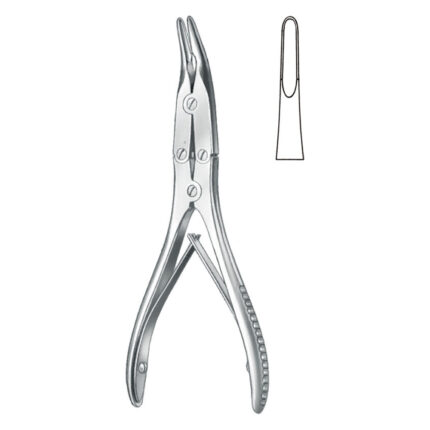

Bone surgery , Bone rasp, acc. to Putti, flat
Bone Rasp (Flat, According to Putti)
Description
- Purpose: A bone rasp is a surgical instrument used to smooth and shape bone surfaces during orthopedic procedures. It helps prepare bone for implants or grafts and can also be used to remove irregularities.
Design Features
- Material: Typically constructed from high-grade stainless steel to ensure durability, corrosion resistance, and ease of sterilization.
- Shape: The flat design of the rasp allows for effective surface smoothing and contouring of flat bone surfaces, making it ideal for various orthopedic applications.
- Surface: The working surface of the rasp is finely serrated or textured to enhance its ability to cut and smooth bone tissue with minimal effort.
- Handle: Usually features an ergonomic handle for a secure grip and better control during use, allowing the surgeon to apply the necessary pressure without discomfort.
Function
- Bone Shaping: Used to refine and contour bone surfaces, especially in procedures involving joint replacements or reconstructions.
- Debridement: Effective for removing rough edges or irregularities in bone, ensuring a smoother surface for better healing and integration with implants.
- Preparation for Implants: Prepares the bone bed for the placement of screws, plates, or other fixation devices, enhancing stability and integration.
Applications
- Commonly utilized in a variety of orthopedic surgeries, including:
- Joint arthroplasties (hip, knee)
- Fracture repairs
- Osteotomies (cutting and repositioning bones)
- Tumor resections
Conclusion
The Putti flat bone rasp is an essential tool in orthopedic surgery, facilitating precise bone shaping and preparation for optimal surgical outcomes. If you have any further questions or need additional information, feel free to ask!
Reviews (0)
Shipping & Delivery
Related products


Cotton swab forceps , Sinus forceps, acc. to Lister, straight
Straight Cotton Swab Forceps
- Material:
- High-quality stainless steel, ensuring durability and resistance to corrosion
- Design:
- Straight tips for ease of access and manipulation
- Serrated jaws for a secure grip on cotton swabs or gauze
- Function:
- Used for handling cotton swabs, applying antiseptics, or manipulating soft tissue in various medical procedures
- Length:
- Typically ranges from 10 cm to 15 cm
- Finish:
- Smooth or satin finish to minimize tissue adherence and enhance handling
Straight Sinus Forceps
- Material:
- Stainless steel, designed for strength and resistance to sterilization
- Design:
- Straight configuration with elongated, tapered jaws to facilitate access to sinuses and narrow passages
- Often features serrated jaws to secure tissue or sponges during procedures
- Function:
- Primarily used in ENT (Ear, Nose, Throat) surgeries for grasping and manipulating tissue within the sinus cavities
- Length:
- Generally around 15 cm to 20 cm
- Finish:
- Polished or satin finish for enhanced visibility and improved handling


Trocars, suction tubes, Cannulas , Trocar, universal, set with 4 pieces
Trocars
- Material: Typically made from stainless steel for durability and resistance to corrosion.
- Design:
- Features a sharp, pointed tip for easy penetration of tissues.
- Hollow shaft allows for the passage of other instruments or for drainage purposes.
- Function:
- Used in minimally invasive surgeries (e.g., laparoscopic procedures) to create access points for additional instruments.
- Sizes: Available in various diameters to accommodate different surgical needs.
Suction Tubes
- Material: Usually made from medical-grade plastic or stainless steel.
- Design:
- Available in flexible or rigid forms, with various lengths and diameters.
- Often features openings along the sides or at the tip for effective suctioning.
- Function:
- Designed to remove fluids, debris, or gases from surgical sites or body cavities.
- Applications: Commonly used in surgeries, wound care, and emergency medicine.
Cannulas
- Material: Typically constructed from stainless steel or high-quality plastic.
- Design:
- Hollow tubes designed for insertion into the body.
- May include a removable inner stylet to facilitate insertion.
- Function:
- Used for delivering fluids, medications, or draining fluids from the body.
- Applicable in various medical procedures, including intravenous (IV) therapy and airway management.
Universal Trocar Set (4 Pieces)
- Composition:
- The set usually includes four different sizes of trocars, allowing for versatility in various surgical procedures.
- Material: Made from high-quality stainless steel, ensuring strength and durability.
- Design Features:
- Each trocar has a sharp point for easy penetration and a hollow shaft for instrument passage.
- The varying sizes cater to different surgical applications and patient needs.
- Function:
- Facilitates access to the abdominal or pelvic cavities in laparoscopic surgeries.
- Allows the introduction of other surgical instruments for various procedures.

Cotton swab forceps , forceps, acc. to Foerster, serrated, straight
Straight Cotton Swab Forceps
- Material:
- High-quality stainless steel for durability and corrosion resistance
- Design:
- Straight tips for easy access and manipulation
- Serrated jaws to provide a secure grip on cotton swabs or gauze
- Function:
- Ideal for handling cotton swabs, applying antiseptics, or manipulating soft tissue during procedures
- Length:
- Typically ranges from 10 cm to 15 cm
- Finish:
- Smooth or satin finish to minimize tissue adherence and enhance handling
Serrated Straight Forceps
- Material:
- Stainless steel, designed for strength and long-term use
- Design:
- Straight configuration with serrated jaws for secure grasping of various materials
- Function:
- Used for grasping, holding, or manipulating tissue and other materials in surgical procedures
- Length:
- Generally around 12 cm to 20 cm
- Finish:
- Polished or satin finish for improved visibility and ease of handling

Trocars, suction tubes, Cannulas , Vessel irrigation cannula
Trocars
- Material: Typically made from stainless steel for durability and resistance to corrosion.
- Design:
- Sharp-pointed tip for penetrating tissue.
- Hollow shaft to allow the passage of other instruments or drainage.
- Function:
- Used to create access points in minimally invasive surgeries (e.g., laparoscopy) for the insertion of instruments.
- Sizes: Available in various diameters to suit different surgical needs.
Suction Tubes
- Material: Usually made from medical-grade plastic or stainless steel.
- Design:
- Flexible or rigid tubes with varying lengths and diameters.
- Openings along the sides or at the tip for effective suctioning.
- Function:
- Designed to remove fluids, debris, or gases from surgical sites or body cavities.
- Application: Commonly used in surgeries, wound care, and emergency medicine.
Cannulas
- Material: Often constructed from stainless steel or high-quality plastic.
- Design:
- Hollow tubes designed for insertion into the body, sometimes with a removable inner stylet for easier insertion.
- Function:
- Used for delivering fluids, medications, or draining fluids from the body.
- Applicable in various medical procedures, including intravenous (IV) therapy and airway management.
Vessel Irrigation Cannula
- Material: Typically made from medical-grade plastic or stainless steel.
- Design:
- Specialized cannula with a wider lumen and multiple side openings to facilitate irrigation.
- Often curved or angled for better access to vessels.
- Function:
- Used to irrigate blood vessels during surgical procedures to clear debris and maintain patency.
- Application: Essential in vascular surgeries and procedures requiring meticulous irrigation of vessels.

Asepsis , Fingernail file, hollow
Asepsis and Hollow Fingernail Files
Asepsis
- Definition: Asepsis refers to the methods used to prevent contamination by pathogens, ensuring a sterile environment, particularly in healthcare settings.
Hollow Fingernail Files
- Description:
- Design: Hollow fingernail files are typically designed with a hollow or tubular shape, which may allow for easier handling and lighter weight.
- Material: They can be made from various materials, including stainless steel, which is easy to sterilize.
Use in Asepsis
- Importance:
- Cleaning: Hollow designs can make it easier to clean and disinfect the file thoroughly, reducing the risk of harboring bacteria.
- Sterilization: Metal hollow files can be autoclaved or disinfected between uses, making them suitable for clinical environments where aseptic techniques are critical.
- Best Practices:
- Personal Hygiene: Regularly file nails to maintain cleanliness and prevent debris buildup.
- Before Procedures: Ensure that the hollow nail file is sterilized before use in a clinical setting.
- Storage: Store in a clean, dry place to avoid contamination.
Reviews
There are no reviews yet.