
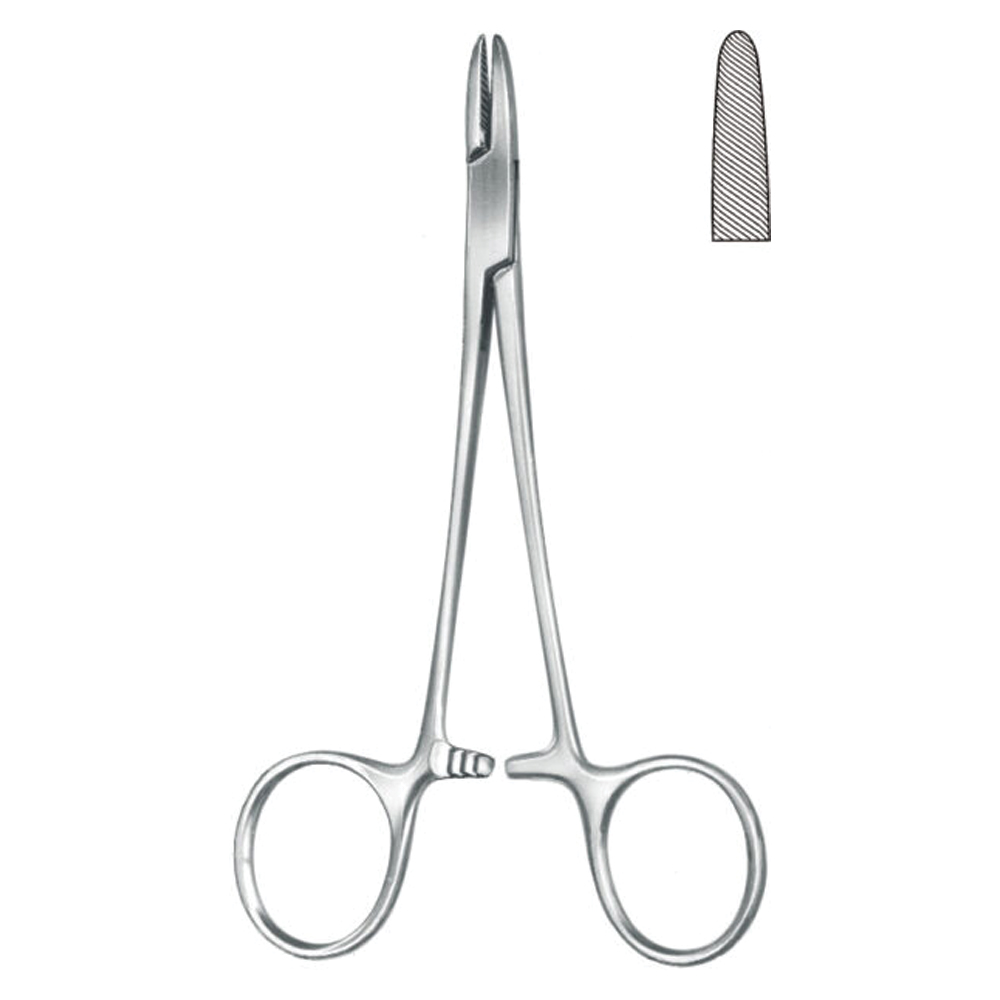


Brown Heavy Needle Holder
Brown Heavy Needle Holder
- Design: Sturdy, straight design for enhanced stability and control during suturing.
- Material: Constructed from high-quality stainless steel for strength and resistance to corrosion.
- Finish: Available in a satin or polished finish, providing a smooth surface for handling.
- Size Options: Typically available in various lengths, such as 6″ and 7″.
- Jaws: Grooved or serrated jaws for secure grip on needles, especially larger ones.
- Grip: Features a robust, ergonomic handle designed for comfort during prolonged use.
- Locking Mechanism: Heavy-duty ratchet lock for reliable closure and needle retention.
- Uses: Ideal for heavy-duty suturing in a range of surgical procedures, including those requiring larger needles.
Reviews (0)
Shipping & Delivery
Related products

Trocars, suction tubes, Cannulas , Vessel irrigation cannula
Trocars
- Material: Typically made from stainless steel for durability and resistance to corrosion.
- Design:
- Sharp-pointed tip for penetrating tissue.
- Hollow shaft to allow the passage of other instruments or drainage.
- Function:
- Used to create access points in minimally invasive surgeries (e.g., laparoscopy) for the insertion of instruments.
- Sizes: Available in various diameters to suit different surgical needs.
Suction Tubes
- Material: Usually made from medical-grade plastic or stainless steel.
- Design:
- Flexible or rigid tubes with varying lengths and diameters.
- Openings along the sides or at the tip for effective suctioning.
- Function:
- Designed to remove fluids, debris, or gases from surgical sites or body cavities.
- Application: Commonly used in surgeries, wound care, and emergency medicine.
Cannulas
- Material: Often constructed from stainless steel or high-quality plastic.
- Design:
- Hollow tubes designed for insertion into the body, sometimes with a removable inner stylet for easier insertion.
- Function:
- Used for delivering fluids, medications, or draining fluids from the body.
- Applicable in various medical procedures, including intravenous (IV) therapy and airway management.
Vessel Irrigation Cannula
- Material: Typically made from medical-grade plastic or stainless steel.
- Design:
- Specialized cannula with a wider lumen and multiple side openings to facilitate irrigation.
- Often curved or angled for better access to vessels.
- Function:
- Used to irrigate blood vessels during surgical procedures to clear debris and maintain patency.
- Application: Essential in vascular surgeries and procedures requiring meticulous irrigation of vessels.


Cotton swab forceps , Sinus forceps, acc. to Lister, straight
Straight Cotton Swab Forceps
- Material:
- High-quality stainless steel, ensuring durability and resistance to corrosion
- Design:
- Straight tips for ease of access and manipulation
- Serrated jaws for a secure grip on cotton swabs or gauze
- Function:
- Used for handling cotton swabs, applying antiseptics, or manipulating soft tissue in various medical procedures
- Length:
- Typically ranges from 10 cm to 15 cm
- Finish:
- Smooth or satin finish to minimize tissue adherence and enhance handling
Straight Sinus Forceps
- Material:
- Stainless steel, designed for strength and resistance to sterilization
- Design:
- Straight configuration with elongated, tapered jaws to facilitate access to sinuses and narrow passages
- Often features serrated jaws to secure tissue or sponges during procedures
- Function:
- Primarily used in ENT (Ear, Nose, Throat) surgeries for grasping and manipulating tissue within the sinus cavities
- Length:
- Generally around 15 cm to 20 cm
- Finish:
- Polished or satin finish for enhanced visibility and improved handling

Trocars, suction tubes, Cannulas , Valvular suction tube
Trocars
- Material: Generally made from stainless steel, ensuring durability and resistance to corrosion.
- Design:
- Features a sharp, pointed tip for penetrating tissues.
- Hollow shaft allows for the passage of other instruments or drainage.
- Function:
- Primarily used in minimally invasive surgeries (e.g., laparoscopy) to create access points for surgical instruments.
- Sizes: Available in various diameters to suit different surgical needs.
Suction Tubes
- Material: Usually constructed from medical-grade plastic or stainless steel.
- Design:
- Can be flexible or rigid, with varying lengths and diameters.
- Often includes openings along the sides or at the tip for effective suctioning.
- Function:
- Used to remove fluids, debris, or gases from surgical sites or body cavities.
- Applications: Commonly used in surgeries, wound care, and emergency medicine.
Cannulas
- Material: Typically made from stainless steel or high-quality plastic.
- Design:
- Hollow tubes designed for insertion into the body.
- May have a removable inner stylet for ease of insertion.
- Function:
- Used for administering fluids, medications, or draining fluids from the body.
- Applicable in various medical procedures, including intravenous (IV) therapy and airway management.
Valvular Suction Tube
- Material: Often made from medical-grade plastic or stainless steel.
- Design:
- Features a one-way valve mechanism to prevent backflow of fluids.
- Typically includes a soft, flexible tip for safe suctioning.
- Function:
- Designed to efficiently remove fluids while preventing contamination or re-entry of fluids into the suction source.
- Applications: Commonly used in surgical procedures, especially in delicate areas where controlling fluid dynamics is critical.


Cotton swab forceps , Dressing forceps, acc. to Martin, straight
Straight Cotton Swab Forceps
- Material:
- High-quality stainless steel for durability and corrosion resistance
- Design:
- Straight tips for easy access and manipulation
- Serrated jaws to provide a secure grip on cotton swabs or gauze
- Function:
- Ideal for handling cotton swabs, applying antiseptics, or manipulating soft tissue during various procedures
- Length:
- Typically ranges from 10 cm to 15 cm
- Finish:
- Smooth or satin finish to minimize tissue adherence and enhance handling
Straight Dressing Forceps
- Material:
- Stainless steel, ensuring strength and longevity
- Design:
- Straight configuration with broad, flat tips for holding dressings securely
- Often features serrated jaws for improved grip
- Function:
- Primarily used for grasping and applying dressings or gauze during surgical and wound care procedures
- Length:
- Generally around 12 cm to 20 cm
- Finish:
- Polished or satin finish for better visibility and ease of handling

Trocars, suction tubes, Cannulas , Tube connector, only for 009-0545-00
Trocars
- Material: Typically constructed from stainless steel for durability and resistance to corrosion.
- Design:
- Features a sharp, pointed tip for easy penetration through tissues.
- Hollow shaft designed to allow the passage of other instruments or to provide drainage.
- Function:
- Used in minimally invasive procedures, such as laparoscopic surgeries, to create access points for other surgical instruments.
- Sizes: Available in various diameters to accommodate different surgical applications.
Suction Tubes
- Material: Usually made from medical-grade plastic or stainless steel.
- Design:
- Can be either flexible or rigid, available in various lengths and diameters.
- Often features openings along the sides or at the tip for efficient suctioning.
- Function:
- Utilized to remove fluids, debris, or gases from surgical sites or body cavities.
- Applications: Commonly employed in surgeries, wound care, and emergency procedures.
Cannulas
- Material: Often made from stainless steel or high-quality plastic.
- Design:
- Hollow tubes designed for insertion into the body.
- May have a removable inner stylet for easier insertion.
- Function:
- Used for delivering fluids, medications, or draining fluids from the body.
- Applicable in a variety of medical procedures, including IV therapy and airway management.
Tube Connector (Part Number 009-0545-00)
- Material: Typically made from medical-grade plastic or other non-toxic materials.
- Design:
- Designed to connect two tubes securely, often featuring a Luer-Lock mechanism for a tight, leak-proof connection.
- Function:
- Provides a reliable connection between different medical devices or tubes, ensuring the safe transfer of fluids.
- Applications: Used in various medical and surgical settings where fluid transfer or drainage is required, compatible with a variety of suction tubes and cannulas.

Cotton swab forceps , Tampon forceps, acc. to Cheron, bayonet-shape
Bayonet-Shaped Cotton Swab Forceps
- Material:
- High-quality stainless steel for durability and resistance to corrosion
- Design:
- Bayonet shape allows for improved visibility and access in confined spaces
- Serrated jaws provide a secure grip on cotton swabs or gauze
- Function:
- Ideal for handling cotton swabs, applying antiseptics, or manipulating soft tissue in hard-to-reach areas
- Length:
- Typically ranges from 15 cm to 20 cm
- Finish:
- Smooth or satin finish to minimize tissue adherence and enhance handling
Bayonet-Shaped Tampon Forceps
- Material:
- Stainless steel, ensuring strength and resistance to sterilization processes
- Design:
- Bayonet shape for enhanced maneuverability in deeper or restricted areas
- Locking mechanism for secure closure when holding tampons or dressings
- Function:
- Primarily used for applying and securing tampons or dressings during surgical procedures
- Length:
- Generally around 15 cm to 25 cm
- Finish:
- Polished or satin finish for better visibility and ease of handling
Reviews
There are no reviews yet.