
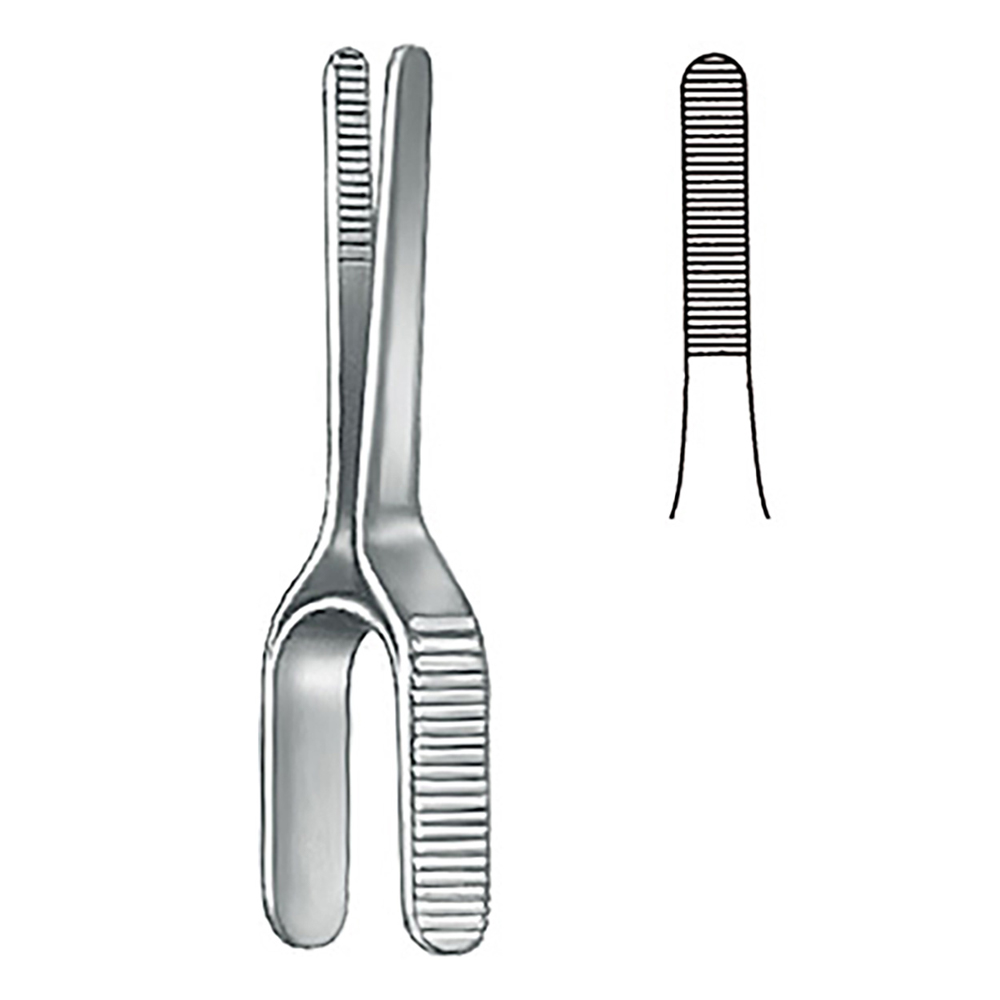
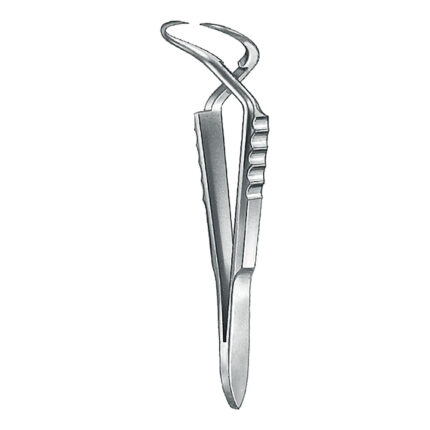

Bulldog Clamp (Lightweight, Straight)
Bulldog Clamp (Lightweight, Straight)
- Material Type: High-quality lightweight stainless steel or aluminum for strength and corrosion resistance
- Length: Standard length (approximately 10–15 cm) for optimal control and ease of use
- Design: Straight jaws designed for secure clamping of tissues, tubing, or drapes during procedures
- Tip Design: Smooth or slightly serrated tips to prevent slippage while minimizing trauma to surrounding materials
- Locking Mechanism: Integrated locking mechanism to maintain a secure grip throughout the procedure
- Texture: Polished or matte finish for easy cleaning and maintenance
- Weight: Ultra-lightweight construction for comfortable handling, reducing hand fatigue during prolonged use
- Color Options: Typically available in a natural stainless steel or aluminum finish, with some variations offering color-coded handles for easy identification
- Care Instructions: Autoclavable; designed for easy sterilization and repeated use in sterile environments
If you need further details or adjustments, just let me know!
Reviews (0)
Shipping & Delivery
Related products

Cotton swab forceps , Sinus forceps, acc. to Lister, straight
Straight Cotton Swab Forceps
- Material:
- High-quality stainless steel, ensuring durability and resistance to corrosion
- Design:
- Straight tips for ease of access and manipulation
- Serrated jaws for a secure grip on cotton swabs or gauze
- Function:
- Used for handling cotton swabs, applying antiseptics, or manipulating soft tissue in various medical procedures
- Length:
- Typically ranges from 10 cm to 15 cm
- Finish:
- Smooth or satin finish to minimize tissue adherence and enhance handling
Straight Sinus Forceps
- Material:
- Stainless steel, designed for strength and resistance to sterilization
- Design:
- Straight configuration with elongated, tapered jaws to facilitate access to sinuses and narrow passages
- Often features serrated jaws to secure tissue or sponges during procedures
- Function:
- Primarily used in ENT (Ear, Nose, Throat) surgeries for grasping and manipulating tissue within the sinus cavities
- Length:
- Generally around 15 cm to 20 cm
- Finish:
- Polished or satin finish for enhanced visibility and improved handling

Cotton swab forceps , forceps, acc. to Foerster, serrated, straight
Straight Cotton Swab Forceps
- Material:
- High-quality stainless steel for durability and corrosion resistance
- Design:
- Straight tips for easy access and manipulation
- Serrated jaws to provide a secure grip on cotton swabs or gauze
- Function:
- Ideal for handling cotton swabs, applying antiseptics, or manipulating soft tissue during procedures
- Length:
- Typically ranges from 10 cm to 15 cm
- Finish:
- Smooth or satin finish to minimize tissue adherence and enhance handling
Serrated Straight Forceps
- Material:
- Stainless steel, designed for strength and long-term use
- Design:
- Straight configuration with serrated jaws for secure grasping of various materials
- Function:
- Used for grasping, holding, or manipulating tissue and other materials in surgical procedures
- Length:
- Generally around 12 cm to 20 cm
- Finish:
- Polished or satin finish for improved visibility and ease of handling

Trocars, suction tubes, Cannulas , Tube connector, only for 009-0545-00
Trocars
- Material: Typically constructed from stainless steel for durability and resistance to corrosion.
- Design:
- Features a sharp, pointed tip for easy penetration through tissues.
- Hollow shaft designed to allow the passage of other instruments or to provide drainage.
- Function:
- Used in minimally invasive procedures, such as laparoscopic surgeries, to create access points for other surgical instruments.
- Sizes: Available in various diameters to accommodate different surgical applications.
Suction Tubes
- Material: Usually made from medical-grade plastic or stainless steel.
- Design:
- Can be either flexible or rigid, available in various lengths and diameters.
- Often features openings along the sides or at the tip for efficient suctioning.
- Function:
- Utilized to remove fluids, debris, or gases from surgical sites or body cavities.
- Applications: Commonly employed in surgeries, wound care, and emergency procedures.
Cannulas
- Material: Often made from stainless steel or high-quality plastic.
- Design:
- Hollow tubes designed for insertion into the body.
- May have a removable inner stylet for easier insertion.
- Function:
- Used for delivering fluids, medications, or draining fluids from the body.
- Applicable in a variety of medical procedures, including IV therapy and airway management.
Tube Connector (Part Number 009-0545-00)
- Material: Typically made from medical-grade plastic or other non-toxic materials.
- Design:
- Designed to connect two tubes securely, often featuring a Luer-Lock mechanism for a tight, leak-proof connection.
- Function:
- Provides a reliable connection between different medical devices or tubes, ensuring the safe transfer of fluids.
- Applications: Used in various medical and surgical settings where fluid transfer or drainage is required, compatible with a variety of suction tubes and cannulas.

Trocars, suction tubes, Cannulas , Tube connector, Luer-Lock, female
Trocars
- Material: Typically constructed from stainless steel for durability and corrosion resistance.
- Design:
- Features a sharp, pointed tip for easy tissue penetration.
- Hollow shaft allows for the passage of other instruments or fluids.
- Function:
- Used in minimally invasive surgeries (e.g., laparoscopy) to create access points for surgical instruments.
- Sizes: Available in various diameters to accommodate different surgical applications.
Suction Tubes
- Material: Usually made from medical-grade plastic or stainless steel.
- Design:
- Can be flexible or rigid, with varying lengths and diameters.
- Often features openings along the sides or at the tip for effective suctioning.
- Function:
- Designed to remove fluids, debris, or gases from surgical sites or body cavities.
- Applications: Commonly used in surgical procedures, wound care, and emergency medicine.
Cannulas
- Material: Often made from stainless steel or high-quality plastic.
- Design:
- Hollow tubes designed for insertion into the body.
- May include a removable inner stylet for easier insertion.
- Function:
- Used for delivering fluids, medications, or draining fluids from the body.
- Applicable in various medical procedures, including intravenous (IV) therapy and airway management.
Female Luer-Lock Tube Connector
- Material: Typically made from medical-grade plastic.
- Design:
- Features a female Luer-Lock fitting for secure connection to Luer-tipped devices or syringes.
- Ensures a leak-proof connection, preventing backflow and contamination.
- Function:
- Used to connect two tubes or medical devices, facilitating fluid transfer in a controlled manner.
- Applications: Commonly employed in various medical and surgical settings where secure connections are required, such as in IV therapy or suction systems.

Cotton swab forceps , Sponge forceps, acc. to Rampley, straight
Straight Cotton Swab Forceps
- Material:
- High-quality stainless steel, ensuring durability and resistance to corrosion
- Design:
- Straight tips for easy access and manipulation
- Serrated jaws for a secure grip on cotton swabs or gauze
- Function:
- Used for handling cotton swabs, applying antiseptics, or manipulating soft tissue
- Length:
- Typically ranges from 10 cm to 15 cm
- Finish:
- Smooth or satin finish to reduce tissue adherence and enhance grip
Straight Sponge Forceps
- Material:
- Stainless steel, designed for strength and longevity
- Design:
- Straight configuration with broad, rounded tips to hold sponges securely
- Often features a locking mechanism for added security during use
- Function:
- Primarily used for grasping and holding sponges during surgical procedures or for cleaning wounds
- Length:
- Generally around 15 cm to 25 cm
- Finish:
- Polished or satin finish for improved visibility and handling


Trocars, suction tubes, Cannulas , Trocar, universal, set with 4 pieces
Trocars
- Material: Typically made from stainless steel for durability and resistance to corrosion.
- Design:
- Features a sharp, pointed tip for easy penetration of tissues.
- Hollow shaft allows for the passage of other instruments or for drainage purposes.
- Function:
- Used in minimally invasive surgeries (e.g., laparoscopic procedures) to create access points for additional instruments.
- Sizes: Available in various diameters to accommodate different surgical needs.
Suction Tubes
- Material: Usually made from medical-grade plastic or stainless steel.
- Design:
- Available in flexible or rigid forms, with various lengths and diameters.
- Often features openings along the sides or at the tip for effective suctioning.
- Function:
- Designed to remove fluids, debris, or gases from surgical sites or body cavities.
- Applications: Commonly used in surgeries, wound care, and emergency medicine.
Cannulas
- Material: Typically constructed from stainless steel or high-quality plastic.
- Design:
- Hollow tubes designed for insertion into the body.
- May include a removable inner stylet to facilitate insertion.
- Function:
- Used for delivering fluids, medications, or draining fluids from the body.
- Applicable in various medical procedures, including intravenous (IV) therapy and airway management.
Universal Trocar Set (4 Pieces)
- Composition:
- The set usually includes four different sizes of trocars, allowing for versatility in various surgical procedures.
- Material: Made from high-quality stainless steel, ensuring strength and durability.
- Design Features:
- Each trocar has a sharp point for easy penetration and a hollow shaft for instrument passage.
- The varying sizes cater to different surgical applications and patient needs.
- Function:
- Facilitates access to the abdominal or pelvic cavities in laparoscopic surgeries.
- Allows the introduction of other surgical instruments for various procedures.


Reviews
There are no reviews yet.