

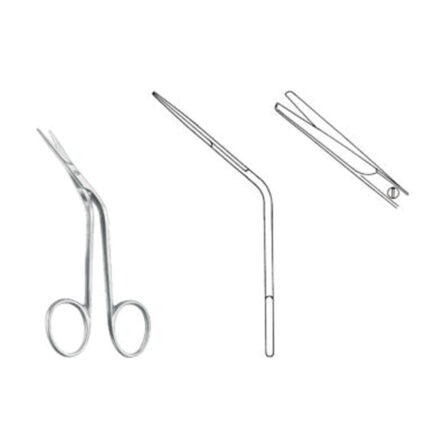

Cinelli Nasal Scissors
Cinelli Nasal Scissors
- Design: Designed specifically for nasal procedures, featuring straight or slightly curved blades to enhance visibility and access.
- Material: Made from high-quality stainless steel for durability and resistance to corrosion.
- Finish: Typically has a polished or satin finish for ease of cleaning and maintenance.
- Blades: Sharp blades that allow for precise cutting of delicate nasal tissues while minimizing trauma.
- Size Options: Available in various lengths to suit different surgical needs.
- Grip: Ergonomically designed handles that provide comfort and control, reducing hand fatigue during use.
- Applications: Ideal for use in ENT (Ear, Nose, and Throat) procedures, particularly for surgeries involving the nasal passages, allowing for safe and effective manipulation of tissues.
If you need more specific details or additional information, just let me know!
Reviews (0)
Shipping & Delivery
Related products


Asepsis , Face protector, Martin complete
Asepsis and Face Protector According to Martin
Asepsis
- Definition: Asepsis refers to the set of techniques and practices aimed at preventing infection by eliminating or controlling pathogenic microorganisms. It is critical in medical and surgical environments to maintain a sterile field.
Face Protector (Complete) According to Martin
- Description:
- Design: A complete face protector typically covers the entire face, including the eyes, nose, and mouth, providing comprehensive protection against splashes, sprays, and airborne pathogens.
- Material: Often made from high-quality transparent plastic or polycarbonate for visibility and durability.
- Fit: Adjustable straps ensure a secure and comfortable fit for different face shapes and sizes.
- Function:
- Protection: Shields the face from biological hazards, chemicals, and infectious agents, especially during procedures that generate droplets or aerosols.
- Aseptic Technique: Maintains aseptic conditions by providing a barrier that prevents direct contact with potential contaminants.
- Usage:
- Surgical Procedures: Essential in operating rooms where exposure to blood and other bodily fluids is possible.
- Infection Control: Used in environments like emergency rooms, laboratories, and during the treatment of infectious diseases.
- Best Practices:
- Cleaning and Disinfection: Regularly clean and disinfect the face protector according to manufacturer guidelines, especially if it is reusable.
- Inspection: Before each use, inspect for damage or wear to ensure optimal protection.
- Storage: Store in a clean, dry place to prevent contamination when not in use.

Cotton swab forceps , forceps, acc. to Foerster, serrated, straight
Straight Cotton Swab Forceps
- Material:
- High-quality stainless steel for durability and corrosion resistance
- Design:
- Straight tips for easy access and manipulation
- Serrated jaws to provide a secure grip on cotton swabs or gauze
- Function:
- Ideal for handling cotton swabs, applying antiseptics, or manipulating soft tissue during procedures
- Length:
- Typically ranges from 10 cm to 15 cm
- Finish:
- Smooth or satin finish to minimize tissue adherence and enhance handling
Serrated Straight Forceps
- Material:
- Stainless steel, designed for strength and long-term use
- Design:
- Straight configuration with serrated jaws for secure grasping of various materials
- Function:
- Used for grasping, holding, or manipulating tissue and other materials in surgical procedures
- Length:
- Generally around 12 cm to 20 cm
- Finish:
- Polished or satin finish for improved visibility and ease of handling

Trocars, suction tubes, Cannulas , Urethral olive, Luer-Lock, female
Trocars
- Material: Typically made from stainless steel for durability and corrosion resistance.
- Design:
- Sharp, pointed tip for penetrating tissues.
- Hollow shaft allows for the passage of other instruments or drainage.
- Function:
- Used in minimally invasive surgeries (e.g., laparoscopy) to create access points for surgical instruments.
- Sizes: Available in various diameters to accommodate different surgical procedures.
Suction Tubes
- Material: Usually made from medical-grade plastic or stainless steel.
- Design:
- Flexible or rigid tubes with varying lengths and diameters.
- Often has openings along the sides or at the tip for effective suctioning.
- Function:
- Designed to remove fluids, debris, or gases from surgical sites or body cavities.
- Applications: Commonly used in surgical procedures, wound care, and emergency medicine.
Cannulas
- Material: Typically made from stainless steel or high-quality plastic.
- Design:
- Hollow tubes designed for insertion into the body.
- May feature a removable inner stylet for easier insertion.
- Function:
- Used for delivering fluids, medications, or draining fluids from the body.
- Applicable in various medical procedures, including intravenous (IV) therapy and airway management.
Female Urethral Olive with Luer-Lock
- Material: Usually made from medical-grade plastic.
- Design:
- Features a rounded, olive-shaped tip designed to facilitate smooth insertion and minimize trauma to the urethra.
- Includes a Luer-Lock connector for secure attachment to syringes or other devices.
- Function:
- Used in urological procedures for irrigation, catheterization, or medication administration.
- The olive shape helps to anchor the cannula in place, reducing the risk of displacement during use.
- Applications: Commonly used in urology and gynecology for various diagnostic and therapeutic procedures.

Trocars, suction tubes, Cannulas , Tube connector, Luer-Lock, female
Trocars
- Material: Typically constructed from stainless steel for durability and corrosion resistance.
- Design:
- Features a sharp, pointed tip for easy tissue penetration.
- Hollow shaft allows for the passage of other instruments or fluids.
- Function:
- Used in minimally invasive surgeries (e.g., laparoscopy) to create access points for surgical instruments.
- Sizes: Available in various diameters to accommodate different surgical applications.
Suction Tubes
- Material: Usually made from medical-grade plastic or stainless steel.
- Design:
- Can be flexible or rigid, with varying lengths and diameters.
- Often features openings along the sides or at the tip for effective suctioning.
- Function:
- Designed to remove fluids, debris, or gases from surgical sites or body cavities.
- Applications: Commonly used in surgical procedures, wound care, and emergency medicine.
Cannulas
- Material: Often made from stainless steel or high-quality plastic.
- Design:
- Hollow tubes designed for insertion into the body.
- May include a removable inner stylet for easier insertion.
- Function:
- Used for delivering fluids, medications, or draining fluids from the body.
- Applicable in various medical procedures, including intravenous (IV) therapy and airway management.
Female Luer-Lock Tube Connector
- Material: Typically made from medical-grade plastic.
- Design:
- Features a female Luer-Lock fitting for secure connection to Luer-tipped devices or syringes.
- Ensures a leak-proof connection, preventing backflow and contamination.
- Function:
- Used to connect two tubes or medical devices, facilitating fluid transfer in a controlled manner.
- Applications: Commonly employed in various medical and surgical settings where secure connections are required, such as in IV therapy or suction systems.


Asepsis , Fingernail file, hollow
Asepsis and Hollow Fingernail Files
Asepsis
- Definition: Asepsis refers to the methods used to prevent contamination by pathogens, ensuring a sterile environment, particularly in healthcare settings.
Hollow Fingernail Files
- Description:
- Design: Hollow fingernail files are typically designed with a hollow or tubular shape, which may allow for easier handling and lighter weight.
- Material: They can be made from various materials, including stainless steel, which is easy to sterilize.
Use in Asepsis
- Importance:
- Cleaning: Hollow designs can make it easier to clean and disinfect the file thoroughly, reducing the risk of harboring bacteria.
- Sterilization: Metal hollow files can be autoclaved or disinfected between uses, making them suitable for clinical environments where aseptic techniques are critical.
- Best Practices:
- Personal Hygiene: Regularly file nails to maintain cleanliness and prevent debris buildup.
- Before Procedures: Ensure that the hollow nail file is sterilized before use in a clinical setting.
- Storage: Store in a clean, dry place to avoid contamination.

Reviews
There are no reviews yet.