

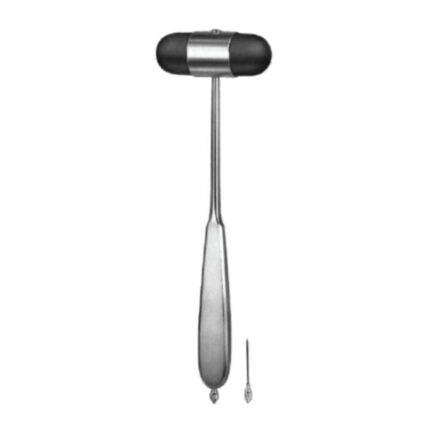

Diagnostic 2
Diagnostic 2
- Material Type: High-quality surgical stainless steel for durability, corrosion resistance, and easy sterilization
- Common Instruments:
- Scalpels: Used for making incisions; available in various blade sizes for different procedures
- Scissors: Surgical scissors (e.g., Mayo or Metzenbaum) for cutting tissue or sutures
- Forceps: Grasping instruments, including tissue forceps and needle holders, designed for secure handling
- Scissors: Specifically designed for cutting tissue, sutures, or other materials
- Speculums: Used for visual examination of cavities (e.g., vaginal or nasal speculums)
- Suction Devices: To clear fluids from surgical sites for better visibility and access
- Biopsy Instruments: Tools for collecting tissue samples for further analysis
- Design Features:
- Ergonomics: Designed for comfortable handling and precision
- Lightweight Construction: For ease of use during prolonged procedures
- Care Instructions: Autoclavable and designed for easy cleaning; recommended to follow manufacturer guidelines for maintenance and storage
If you need specific information about certain diagnostic instruments or further details, let me know!
Reviews (0)
Shipping & Delivery
Related products


Asepsis , Fingernail file
Asepsis and Fingernail Files
Asepsis
- Definition: Asepsis refers to the practices designed to prevent the introduction of harmful pathogens into a sterile environment. This is crucial in medical and surgical settings to minimize the risk of infection.
Fingernail Files
- Use in Asepsis:
- Personal Hygiene: Maintaining clean fingernails is important in healthcare settings. Dirt or debris under nails can harbor bacteria, increasing the risk of contamination during procedures.
- Material: Fingernail files can be made of various materials, including emery board, glass, or metal. For aseptic conditions, tools should be cleaned or sterilized regularly.
- Design: Some nail files are designed to be disposable, reducing the risk of cross-contamination.
Best Practices
- Before Procedures:
- Ensure nails are clean and trimmed to prevent the accumulation of pathogens.
- Use an appropriate nail file that can be easily disinfected or is disposable.
- Infection Control: Regularly inspect and clean any reusable nail files to maintain aseptic conditions.

Cotton swab forceps , Sponge forceps, acc. to Rampley, straight
Straight Cotton Swab Forceps
- Material:
- High-quality stainless steel, ensuring durability and resistance to corrosion
- Design:
- Straight tips for easy access and manipulation
- Serrated jaws for a secure grip on cotton swabs or gauze
- Function:
- Used for handling cotton swabs, applying antiseptics, or manipulating soft tissue
- Length:
- Typically ranges from 10 cm to 15 cm
- Finish:
- Smooth or satin finish to reduce tissue adherence and enhance grip
Straight Sponge Forceps
- Material:
- Stainless steel, designed for strength and longevity
- Design:
- Straight configuration with broad, rounded tips to hold sponges securely
- Often features a locking mechanism for added security during use
- Function:
- Primarily used for grasping and holding sponges during surgical procedures or for cleaning wounds
- Length:
- Generally around 15 cm to 25 cm
- Finish:
- Polished or satin finish for improved visibility and handling


Cotton swab forceps , forceps, acc. to Foerster, serrated, straight
Straight Cotton Swab Forceps
- Material:
- High-quality stainless steel for durability and corrosion resistance
- Design:
- Straight tips for easy access and manipulation
- Serrated jaws to provide a secure grip on cotton swabs or gauze
- Function:
- Ideal for handling cotton swabs, applying antiseptics, or manipulating soft tissue during procedures
- Length:
- Typically ranges from 10 cm to 15 cm
- Finish:
- Smooth or satin finish to minimize tissue adherence and enhance handling
Serrated Straight Forceps
- Material:
- Stainless steel, designed for strength and long-term use
- Design:
- Straight configuration with serrated jaws for secure grasping of various materials
- Function:
- Used for grasping, holding, or manipulating tissue and other materials in surgical procedures
- Length:
- Generally around 12 cm to 20 cm
- Finish:
- Polished or satin finish for improved visibility and ease of handling

Trocars, suction tubes, Cannulas , Urethral olive, Luer-Lock, female
Trocars
- Material: Typically made from stainless steel for durability and corrosion resistance.
- Design:
- Sharp, pointed tip for penetrating tissues.
- Hollow shaft allows for the passage of other instruments or drainage.
- Function:
- Used in minimally invasive surgeries (e.g., laparoscopy) to create access points for surgical instruments.
- Sizes: Available in various diameters to accommodate different surgical procedures.
Suction Tubes
- Material: Usually made from medical-grade plastic or stainless steel.
- Design:
- Flexible or rigid tubes with varying lengths and diameters.
- Often has openings along the sides or at the tip for effective suctioning.
- Function:
- Designed to remove fluids, debris, or gases from surgical sites or body cavities.
- Applications: Commonly used in surgical procedures, wound care, and emergency medicine.
Cannulas
- Material: Typically made from stainless steel or high-quality plastic.
- Design:
- Hollow tubes designed for insertion into the body.
- May feature a removable inner stylet for easier insertion.
- Function:
- Used for delivering fluids, medications, or draining fluids from the body.
- Applicable in various medical procedures, including intravenous (IV) therapy and airway management.
Female Urethral Olive with Luer-Lock
- Material: Usually made from medical-grade plastic.
- Design:
- Features a rounded, olive-shaped tip designed to facilitate smooth insertion and minimize trauma to the urethra.
- Includes a Luer-Lock connector for secure attachment to syringes or other devices.
- Function:
- Used in urological procedures for irrigation, catheterization, or medication administration.
- The olive shape helps to anchor the cannula in place, reducing the risk of displacement during use.
- Applications: Commonly used in urology and gynecology for various diagnostic and therapeutic procedures.

Trocars, suction tubes, Cannulas , Tube connector, Luer-Lock, female
Trocars
- Material: Typically constructed from stainless steel for durability and corrosion resistance.
- Design:
- Features a sharp, pointed tip for easy tissue penetration.
- Hollow shaft allows for the passage of other instruments or fluids.
- Function:
- Used in minimally invasive surgeries (e.g., laparoscopy) to create access points for surgical instruments.
- Sizes: Available in various diameters to accommodate different surgical applications.
Suction Tubes
- Material: Usually made from medical-grade plastic or stainless steel.
- Design:
- Can be flexible or rigid, with varying lengths and diameters.
- Often features openings along the sides or at the tip for effective suctioning.
- Function:
- Designed to remove fluids, debris, or gases from surgical sites or body cavities.
- Applications: Commonly used in surgical procedures, wound care, and emergency medicine.
Cannulas
- Material: Often made from stainless steel or high-quality plastic.
- Design:
- Hollow tubes designed for insertion into the body.
- May include a removable inner stylet for easier insertion.
- Function:
- Used for delivering fluids, medications, or draining fluids from the body.
- Applicable in various medical procedures, including intravenous (IV) therapy and airway management.
Female Luer-Lock Tube Connector
- Material: Typically made from medical-grade plastic.
- Design:
- Features a female Luer-Lock fitting for secure connection to Luer-tipped devices or syringes.
- Ensures a leak-proof connection, preventing backflow and contamination.
- Function:
- Used to connect two tubes or medical devices, facilitating fluid transfer in a controlled manner.
- Applications: Commonly employed in various medical and surgical settings where secure connections are required, such as in IV therapy or suction systems.
Reviews
There are no reviews yet.