
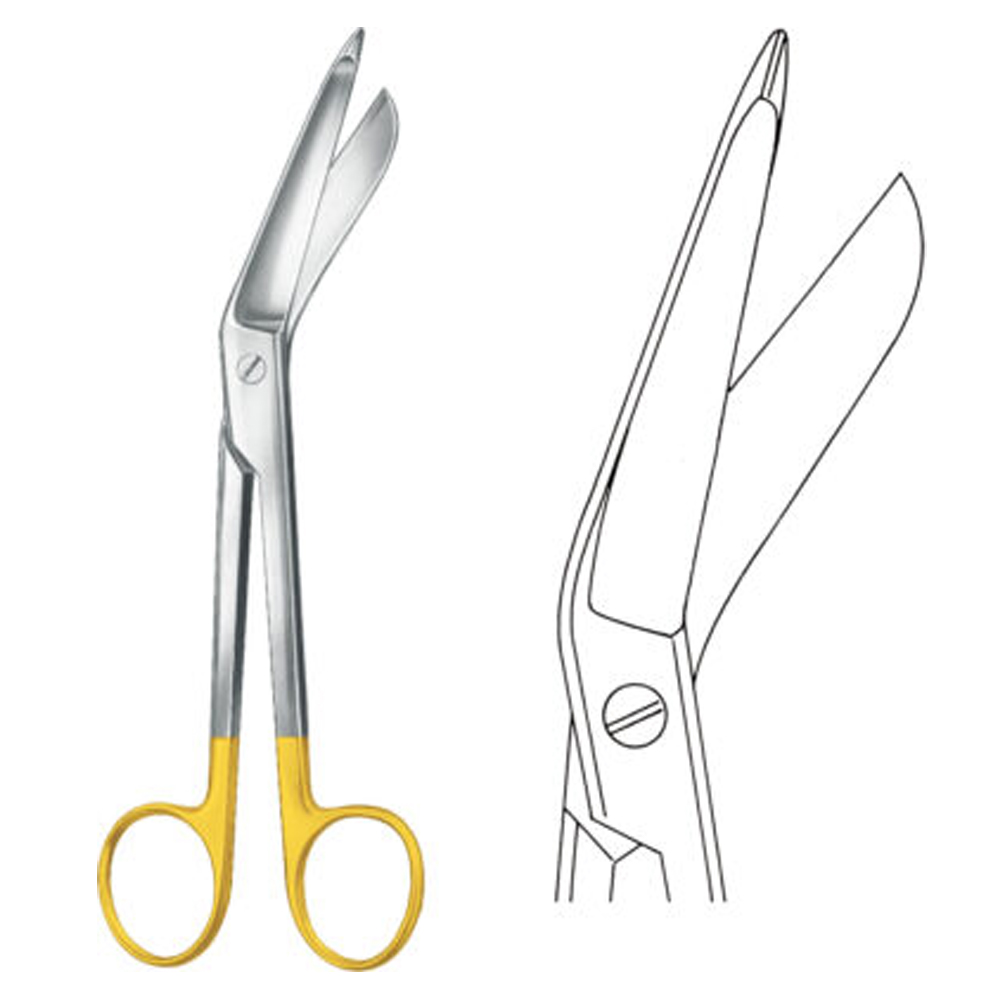


Lister TC Bandage Scissors
Lister TC Bandage Scissors
- Design: Designed for cutting bandages, dressings, and other materials with precision and ease.
- Material: Made from high-quality stainless steel with tungsten carbide (TC) inserts for enhanced cutting performance and durability.
- Finish: Typically features a satin or polished finish for ease of cleaning and improved grip.
- Blades: Equipped with sharp, beveled blades that provide clean cuts, ideal for various bandaging materials.
- Size Options: Available in multiple lengths, commonly ranging from 5″ to 7″ to suit different cutting needs.
- Grip: Ergonomically designed handles that offer comfort and stability, reducing hand fatigue during use.
- Safety Features: Blunt tip design to prevent accidental injury while cutting near the skin or sensitive areas.
- Applications: Widely used in medical, surgical, and emergency settings for cutting bandages, dressings, and other textile materials.
If you need more information or specific features, feel free to ask!
Reviews (0)
Shipping & Delivery
Related products


Asepsis , Face protector, Martin complete
Asepsis and Face Protector According to Martin
Asepsis
- Definition: Asepsis refers to the set of techniques and practices aimed at preventing infection by eliminating or controlling pathogenic microorganisms. It is critical in medical and surgical environments to maintain a sterile field.
Face Protector (Complete) According to Martin
- Description:
- Design: A complete face protector typically covers the entire face, including the eyes, nose, and mouth, providing comprehensive protection against splashes, sprays, and airborne pathogens.
- Material: Often made from high-quality transparent plastic or polycarbonate for visibility and durability.
- Fit: Adjustable straps ensure a secure and comfortable fit for different face shapes and sizes.
- Function:
- Protection: Shields the face from biological hazards, chemicals, and infectious agents, especially during procedures that generate droplets or aerosols.
- Aseptic Technique: Maintains aseptic conditions by providing a barrier that prevents direct contact with potential contaminants.
- Usage:
- Surgical Procedures: Essential in operating rooms where exposure to blood and other bodily fluids is possible.
- Infection Control: Used in environments like emergency rooms, laboratories, and during the treatment of infectious diseases.
- Best Practices:
- Cleaning and Disinfection: Regularly clean and disinfect the face protector according to manufacturer guidelines, especially if it is reusable.
- Inspection: Before each use, inspect for damage or wear to ensure optimal protection.
- Storage: Store in a clean, dry place to prevent contamination when not in use.


Cotton swab forceps , forceps, acc. to Foerster, serrated, straight
Straight Cotton Swab Forceps
- Material:
- High-quality stainless steel for durability and corrosion resistance
- Design:
- Straight tips for easy access and manipulation
- Serrated jaws to provide a secure grip on cotton swabs or gauze
- Function:
- Ideal for handling cotton swabs, applying antiseptics, or manipulating soft tissue during procedures
- Length:
- Typically ranges from 10 cm to 15 cm
- Finish:
- Smooth or satin finish to minimize tissue adherence and enhance handling
Serrated Straight Forceps
- Material:
- Stainless steel, designed for strength and long-term use
- Design:
- Straight configuration with serrated jaws for secure grasping of various materials
- Function:
- Used for grasping, holding, or manipulating tissue and other materials in surgical procedures
- Length:
- Generally around 12 cm to 20 cm
- Finish:
- Polished or satin finish for improved visibility and ease of handling

Asepsis , Fingernail file
Asepsis and Fingernail Files
Asepsis
- Definition: Asepsis refers to the practices designed to prevent the introduction of harmful pathogens into a sterile environment. This is crucial in medical and surgical settings to minimize the risk of infection.
Fingernail Files
- Use in Asepsis:
- Personal Hygiene: Maintaining clean fingernails is important in healthcare settings. Dirt or debris under nails can harbor bacteria, increasing the risk of contamination during procedures.
- Material: Fingernail files can be made of various materials, including emery board, glass, or metal. For aseptic conditions, tools should be cleaned or sterilized regularly.
- Design: Some nail files are designed to be disposable, reducing the risk of cross-contamination.
Best Practices
- Before Procedures:
- Ensure nails are clean and trimmed to prevent the accumulation of pathogens.
- Use an appropriate nail file that can be easily disinfected or is disposable.
- Infection Control: Regularly inspect and clean any reusable nail files to maintain aseptic conditions.


Cotton swab forceps , Dressing forceps, acc. to Martin, straight
Straight Cotton Swab Forceps
- Material:
- High-quality stainless steel for durability and corrosion resistance
- Design:
- Straight tips for easy access and manipulation
- Serrated jaws to provide a secure grip on cotton swabs or gauze
- Function:
- Ideal for handling cotton swabs, applying antiseptics, or manipulating soft tissue during various procedures
- Length:
- Typically ranges from 10 cm to 15 cm
- Finish:
- Smooth or satin finish to minimize tissue adherence and enhance handling
Straight Dressing Forceps
- Material:
- Stainless steel, ensuring strength and longevity
- Design:
- Straight configuration with broad, flat tips for holding dressings securely
- Often features serrated jaws for improved grip
- Function:
- Primarily used for grasping and applying dressings or gauze during surgical and wound care procedures
- Length:
- Generally around 12 cm to 20 cm
- Finish:
- Polished or satin finish for better visibility and ease of handling
Reviews
There are no reviews yet.