


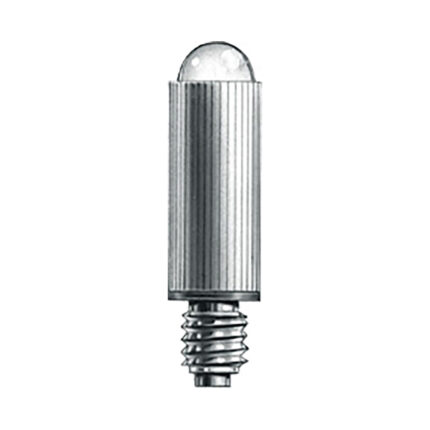
Spare Bulb (Small)
Spare Bulb (Small)
- Material Type: High-quality glass or plastic for durability and clarity
- Dimensions: Compact size designed to fit specific medical instruments or devices
- Type: Typically a halogen or LED bulb, providing bright and efficient illumination
- Voltage Rating: Common voltage specifications (e.g., 2.5V, 3.5V) depending on the application
- Base Type: Standardized base (such as bayonet or screw) for easy installation and replacement
- Compatibility: Designed for use with specific medical equipment or laryngoscope handles
- Light Output: Provides optimal brightness for clear visibility during procedures
- Care Instructions: Handle with care to avoid breakage; store in a dry environment to maintain functionality
If you need any further details or adjustments, just let me know!
Reviews (0)
Shipping & Delivery
Related products

Cotton swab forceps , Sponge forceps, acc. to Rampley, straight
Straight Cotton Swab Forceps
- Material:
- High-quality stainless steel, ensuring durability and resistance to corrosion
- Design:
- Straight tips for easy access and manipulation
- Serrated jaws for a secure grip on cotton swabs or gauze
- Function:
- Used for handling cotton swabs, applying antiseptics, or manipulating soft tissue
- Length:
- Typically ranges from 10 cm to 15 cm
- Finish:
- Smooth or satin finish to reduce tissue adherence and enhance grip
Straight Sponge Forceps
- Material:
- Stainless steel, designed for strength and longevity
- Design:
- Straight configuration with broad, rounded tips to hold sponges securely
- Often features a locking mechanism for added security during use
- Function:
- Primarily used for grasping and holding sponges during surgical procedures or for cleaning wounds
- Length:
- Generally around 15 cm to 25 cm
- Finish:
- Polished or satin finish for improved visibility and handling


Cotton swab forceps , forceps, acc. to Foerster, serrated, straight
Straight Cotton Swab Forceps
- Material:
- High-quality stainless steel for durability and corrosion resistance
- Design:
- Straight tips for easy access and manipulation
- Serrated jaws to provide a secure grip on cotton swabs or gauze
- Function:
- Ideal for handling cotton swabs, applying antiseptics, or manipulating soft tissue during procedures
- Length:
- Typically ranges from 10 cm to 15 cm
- Finish:
- Smooth or satin finish to minimize tissue adherence and enhance handling
Serrated Straight Forceps
- Material:
- Stainless steel, designed for strength and long-term use
- Design:
- Straight configuration with serrated jaws for secure grasping of various materials
- Function:
- Used for grasping, holding, or manipulating tissue and other materials in surgical procedures
- Length:
- Generally around 12 cm to 20 cm
- Finish:
- Polished or satin finish for improved visibility and ease of handling


Asepsis , Fingernail file, hollow
Asepsis and Hollow Fingernail Files
Asepsis
- Definition: Asepsis refers to the methods used to prevent contamination by pathogens, ensuring a sterile environment, particularly in healthcare settings.
Hollow Fingernail Files
- Description:
- Design: Hollow fingernail files are typically designed with a hollow or tubular shape, which may allow for easier handling and lighter weight.
- Material: They can be made from various materials, including stainless steel, which is easy to sterilize.
Use in Asepsis
- Importance:
- Cleaning: Hollow designs can make it easier to clean and disinfect the file thoroughly, reducing the risk of harboring bacteria.
- Sterilization: Metal hollow files can be autoclaved or disinfected between uses, making them suitable for clinical environments where aseptic techniques are critical.
- Best Practices:
- Personal Hygiene: Regularly file nails to maintain cleanliness and prevent debris buildup.
- Before Procedures: Ensure that the hollow nail file is sterilized before use in a clinical setting.
- Storage: Store in a clean, dry place to avoid contamination.

Asepsis , Fingernail file
Asepsis and Fingernail Files
Asepsis
- Definition: Asepsis refers to the practices designed to prevent the introduction of harmful pathogens into a sterile environment. This is crucial in medical and surgical settings to minimize the risk of infection.
Fingernail Files
- Use in Asepsis:
- Personal Hygiene: Maintaining clean fingernails is important in healthcare settings. Dirt or debris under nails can harbor bacteria, increasing the risk of contamination during procedures.
- Material: Fingernail files can be made of various materials, including emery board, glass, or metal. For aseptic conditions, tools should be cleaned or sterilized regularly.
- Design: Some nail files are designed to be disposable, reducing the risk of cross-contamination.
Best Practices
- Before Procedures:
- Ensure nails are clean and trimmed to prevent the accumulation of pathogens.
- Use an appropriate nail file that can be easily disinfected or is disposable.
- Infection Control: Regularly inspect and clean any reusable nail files to maintain aseptic conditions.
Reviews
There are no reviews yet.