
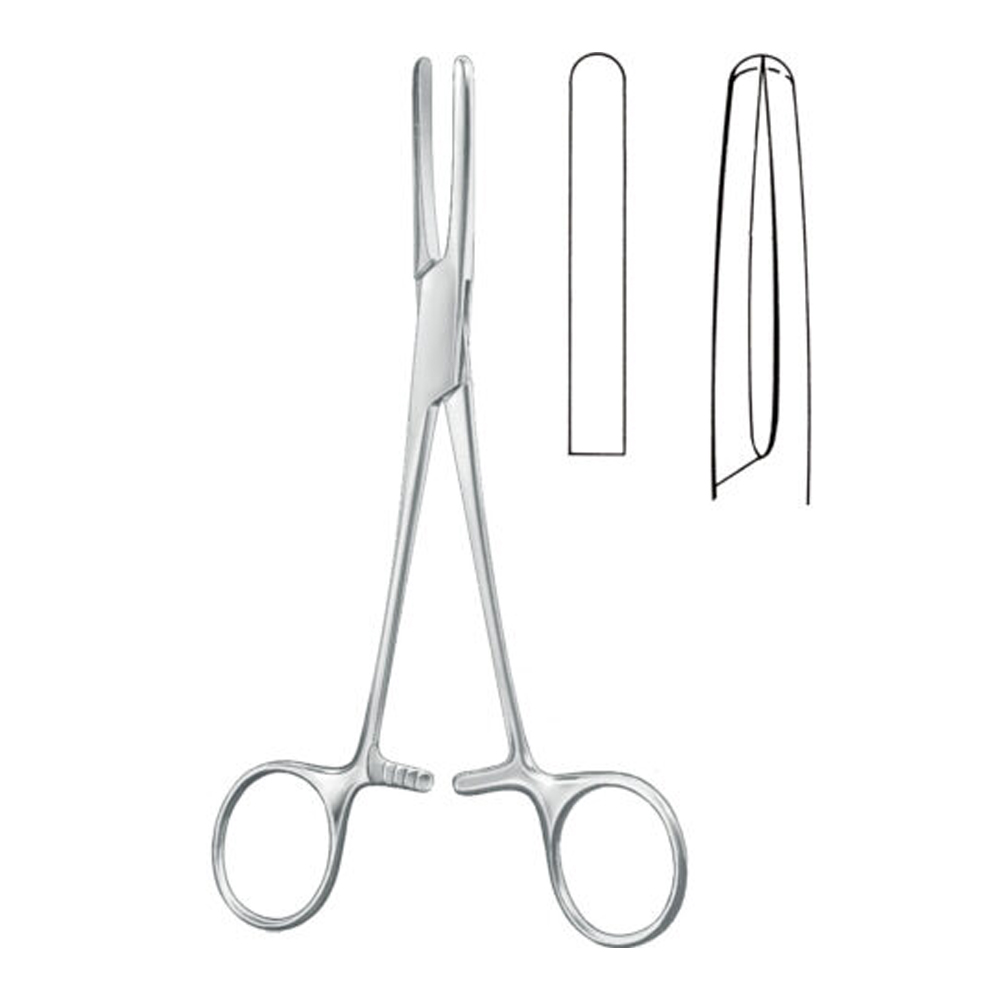


Tube Clamp (Smooth Jaw)
Tube Clamp (Smooth Jaw)
- Material Type: High-quality plastic or stainless steel for durability and resistance to corrosion
- Dimensions: Designed to accommodate standard tubing sizes (specific dimensions can be provided as needed)
- Jaw Design: Smooth jaws for gentle occlusion, minimizing the risk of damage to the tubing
- Mechanism: Simple and effective clamp mechanism for secure closure of tubing
- Weight: Lightweight for easy handling and maneuverability during procedures
- Color Options: Available in various colors for easy identification in clinical settings
- Care Instructions: Easy to clean and disinfect; suitable for repeated use in medical environments
If you need any further details or modifications, feel free to ask!
Reviews (0)
Shipping & Delivery
Related products

Asepsis , Face protector, Martin complete
Asepsis and Face Protector According to Martin
Asepsis
- Definition: Asepsis refers to the set of techniques and practices aimed at preventing infection by eliminating or controlling pathogenic microorganisms. It is critical in medical and surgical environments to maintain a sterile field.
Face Protector (Complete) According to Martin
- Description:
- Design: A complete face protector typically covers the entire face, including the eyes, nose, and mouth, providing comprehensive protection against splashes, sprays, and airborne pathogens.
- Material: Often made from high-quality transparent plastic or polycarbonate for visibility and durability.
- Fit: Adjustable straps ensure a secure and comfortable fit for different face shapes and sizes.
- Function:
- Protection: Shields the face from biological hazards, chemicals, and infectious agents, especially during procedures that generate droplets or aerosols.
- Aseptic Technique: Maintains aseptic conditions by providing a barrier that prevents direct contact with potential contaminants.
- Usage:
- Surgical Procedures: Essential in operating rooms where exposure to blood and other bodily fluids is possible.
- Infection Control: Used in environments like emergency rooms, laboratories, and during the treatment of infectious diseases.
- Best Practices:
- Cleaning and Disinfection: Regularly clean and disinfect the face protector according to manufacturer guidelines, especially if it is reusable.
- Inspection: Before each use, inspect for damage or wear to ensure optimal protection.
- Storage: Store in a clean, dry place to prevent contamination when not in use.

Asepsis , Fingernail file, hollow
Asepsis and Hollow Fingernail Files
Asepsis
- Definition: Asepsis refers to the methods used to prevent contamination by pathogens, ensuring a sterile environment, particularly in healthcare settings.
Hollow Fingernail Files
- Description:
- Design: Hollow fingernail files are typically designed with a hollow or tubular shape, which may allow for easier handling and lighter weight.
- Material: They can be made from various materials, including stainless steel, which is easy to sterilize.
Use in Asepsis
- Importance:
- Cleaning: Hollow designs can make it easier to clean and disinfect the file thoroughly, reducing the risk of harboring bacteria.
- Sterilization: Metal hollow files can be autoclaved or disinfected between uses, making them suitable for clinical environments where aseptic techniques are critical.
- Best Practices:
- Personal Hygiene: Regularly file nails to maintain cleanliness and prevent debris buildup.
- Before Procedures: Ensure that the hollow nail file is sterilized before use in a clinical setting.
- Storage: Store in a clean, dry place to avoid contamination.


Cotton swab forceps , Dressing forceps, acc. to Martin, straight
Straight Cotton Swab Forceps
- Material:
- High-quality stainless steel for durability and corrosion resistance
- Design:
- Straight tips for easy access and manipulation
- Serrated jaws to provide a secure grip on cotton swabs or gauze
- Function:
- Ideal for handling cotton swabs, applying antiseptics, or manipulating soft tissue during various procedures
- Length:
- Typically ranges from 10 cm to 15 cm
- Finish:
- Smooth or satin finish to minimize tissue adherence and enhance handling
Straight Dressing Forceps
- Material:
- Stainless steel, ensuring strength and longevity
- Design:
- Straight configuration with broad, flat tips for holding dressings securely
- Often features serrated jaws for improved grip
- Function:
- Primarily used for grasping and applying dressings or gauze during surgical and wound care procedures
- Length:
- Generally around 12 cm to 20 cm
- Finish:
- Polished or satin finish for better visibility and ease of handling

Cotton swab forceps , Tampon forceps, acc. to Cheron, bayonet-shape
Bayonet-Shaped Cotton Swab Forceps
- Material:
- High-quality stainless steel for durability and resistance to corrosion
- Design:
- Bayonet shape allows for improved visibility and access in confined spaces
- Serrated jaws provide a secure grip on cotton swabs or gauze
- Function:
- Ideal for handling cotton swabs, applying antiseptics, or manipulating soft tissue in hard-to-reach areas
- Length:
- Typically ranges from 15 cm to 20 cm
- Finish:
- Smooth or satin finish to minimize tissue adherence and enhance handling
Bayonet-Shaped Tampon Forceps
- Material:
- Stainless steel, ensuring strength and resistance to sterilization processes
- Design:
- Bayonet shape for enhanced maneuverability in deeper or restricted areas
- Locking mechanism for secure closure when holding tampons or dressings
- Function:
- Primarily used for applying and securing tampons or dressings during surgical procedures
- Length:
- Generally around 15 cm to 25 cm
- Finish:
- Polished or satin finish for better visibility and ease of handling


Trocars, suction tubes, Cannulas , Trocar, universal, set with 4 pieces
Trocars
- Material: Typically made from stainless steel for durability and resistance to corrosion.
- Design:
- Features a sharp, pointed tip for easy penetration of tissues.
- Hollow shaft allows for the passage of other instruments or for drainage purposes.
- Function:
- Used in minimally invasive surgeries (e.g., laparoscopic procedures) to create access points for additional instruments.
- Sizes: Available in various diameters to accommodate different surgical needs.
Suction Tubes
- Material: Usually made from medical-grade plastic or stainless steel.
- Design:
- Available in flexible or rigid forms, with various lengths and diameters.
- Often features openings along the sides or at the tip for effective suctioning.
- Function:
- Designed to remove fluids, debris, or gases from surgical sites or body cavities.
- Applications: Commonly used in surgeries, wound care, and emergency medicine.
Cannulas
- Material: Typically constructed from stainless steel or high-quality plastic.
- Design:
- Hollow tubes designed for insertion into the body.
- May include a removable inner stylet to facilitate insertion.
- Function:
- Used for delivering fluids, medications, or draining fluids from the body.
- Applicable in various medical procedures, including intravenous (IV) therapy and airway management.
Universal Trocar Set (4 Pieces)
- Composition:
- The set usually includes four different sizes of trocars, allowing for versatility in various surgical procedures.
- Material: Made from high-quality stainless steel, ensuring strength and durability.
- Design Features:
- Each trocar has a sharp point for easy penetration and a hollow shaft for instrument passage.
- The varying sizes cater to different surgical applications and patient needs.
- Function:
- Facilitates access to the abdominal or pelvic cavities in laparoscopic surgeries.
- Allows the introduction of other surgical instruments for various procedures.

Trocars, suction tubes, Cannulas , Wound and Bladdersyringe, glas barrel, acc. to Janet
Trocars
- Material: Typically made of stainless steel for durability and corrosion resistance.
- Design:
- Sharp-pointed end for puncturing tissue.
- Often features a hollow shaft for the insertion of additional instruments or drainage.
- Function:
- Used in procedures such as laparoscopic surgeries to create an access point for other instruments.
- Sizes: Available in various diameters depending on the procedure.
Suction Tubes
- Material: Commonly made from medical-grade plastic or stainless steel.
- Design:
- Flexible or rigid tubes that can vary in length and diameter.
- Often equipped with openings along the sides or at the tip for effective suctioning.
- Function:
- Used to remove fluids, debris, or gases from surgical sites or body cavities.
- Application: Essential in surgeries, wound care, and in emergency medicine.
Cannulas
- Material: Usually constructed from stainless steel or high-quality plastic.
- Design:
- Hollow tubes designed for insertion into the body.
- May come with a removable inner stylet for easy insertion.
- Function:
- Used to deliver fluids, medications, or to drain fluids from the body.
- Can be used in various procedures, including IV therapy and airway management.
Wound and Bladder Syringe (Glass Barrel)
- Material:
- Glass barrel for ease of cleaning and sterilization.
- Rubber or plastic plunger for smooth operation.
- Design:
- Typically features a graduated scale for accurate measurement.
- Can have a variety of tips for different applications (e.g., curved tip for wound irrigation).
- Function:
- Used for irrigating wounds, drawing fluids, or administering medications into the bladder.
- Capacity: Available in various sizes, commonly from 30 mL to 60 mL.
Reviews
There are no reviews yet.