
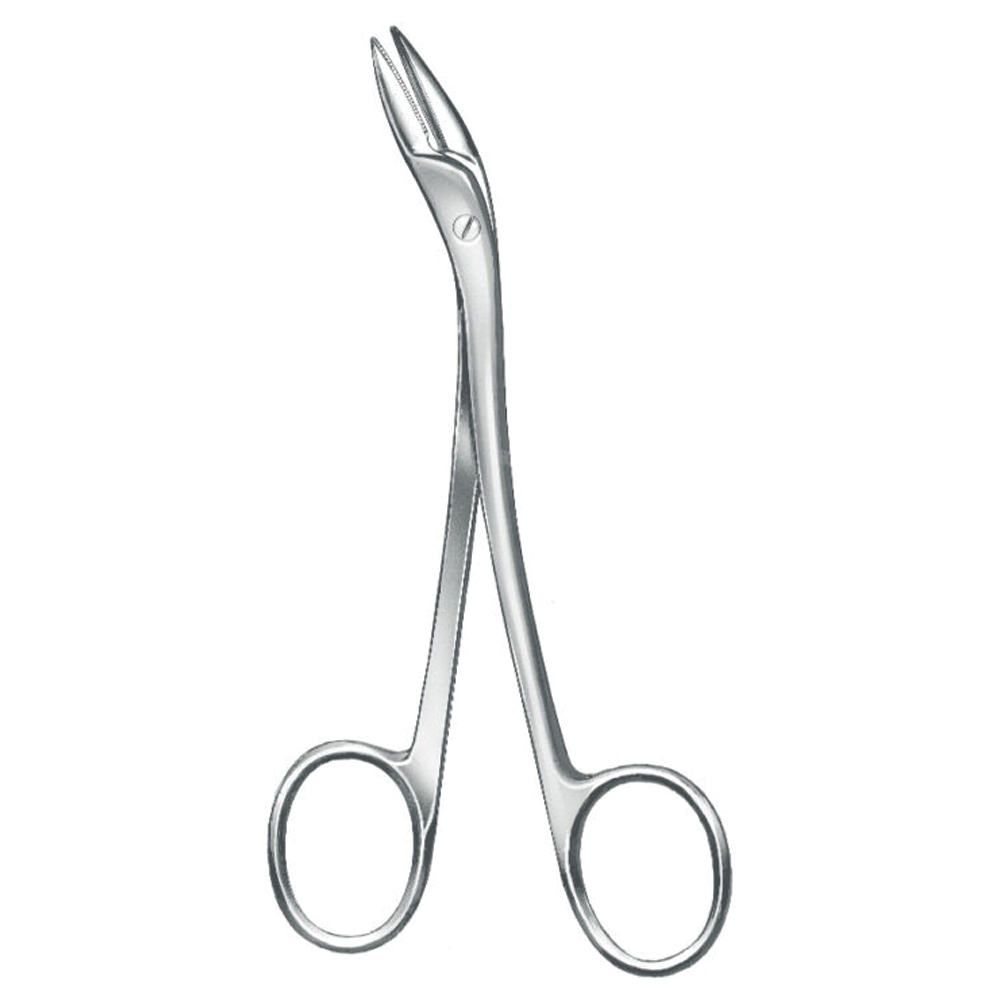


Richter Clip Applying Forceps
Richter Clip Applying Forceps
- Design: Precision-engineered for the application of surgical clips, allowing for effective and controlled placement.
- Material: Made from high-quality stainless steel, ensuring durability and resistance to corrosion.
- Finish: Typically features a satin or polished finish for enhanced grip and ease of handling.
- Size Options: Available in various lengths to accommodate different surgical scenarios.
- Jaws: Designed with specialized jaws to securely grasp and apply clips without damaging them.
- Grip: Ergonomic handles for comfort and stability, facilitating precise manipulation during procedures.
- Locking Mechanism: Often includes a reliable locking mechanism for secure closure and ease of use during surgery.
- Applications: Suitable for a variety of surgical applications, particularly in vascular and laparoscopic surgeries, where clip application is essential.
If you have any further questions or need additional details, feel free to ask!
Reviews (0)
Shipping & Delivery
Related products


Trocars, suction tubes, Cannulas , Vessel irrigation cannula
Trocars
- Material: Typically made from stainless steel for durability and resistance to corrosion.
- Design:
- Sharp-pointed tip for penetrating tissue.
- Hollow shaft to allow the passage of other instruments or drainage.
- Function:
- Used to create access points in minimally invasive surgeries (e.g., laparoscopy) for the insertion of instruments.
- Sizes: Available in various diameters to suit different surgical needs.
Suction Tubes
- Material: Usually made from medical-grade plastic or stainless steel.
- Design:
- Flexible or rigid tubes with varying lengths and diameters.
- Openings along the sides or at the tip for effective suctioning.
- Function:
- Designed to remove fluids, debris, or gases from surgical sites or body cavities.
- Application: Commonly used in surgeries, wound care, and emergency medicine.
Cannulas
- Material: Often constructed from stainless steel or high-quality plastic.
- Design:
- Hollow tubes designed for insertion into the body, sometimes with a removable inner stylet for easier insertion.
- Function:
- Used for delivering fluids, medications, or draining fluids from the body.
- Applicable in various medical procedures, including intravenous (IV) therapy and airway management.
Vessel Irrigation Cannula
- Material: Typically made from medical-grade plastic or stainless steel.
- Design:
- Specialized cannula with a wider lumen and multiple side openings to facilitate irrigation.
- Often curved or angled for better access to vessels.
- Function:
- Used to irrigate blood vessels during surgical procedures to clear debris and maintain patency.
- Application: Essential in vascular surgeries and procedures requiring meticulous irrigation of vessels.


Cotton swab forceps , forceps, acc. to Foerster, smooth, curved
Curved Cotton Swab Forceps
- Material:
- High-quality stainless steel for durability and corrosion resistance
- Design:
- Curved tips to enhance visibility and access in confined areas
- Smooth jaws for gentle handling of cotton swabs or gauze
- Function:
- Ideal for manipulating cotton swabs during procedures, applying antiseptics, or handling delicate tissues
- Length:
- Typically ranges from 15 cm to 20 cm
- Finish:
- Polished or smooth finish to minimize tissue adherence and ensure gentle contact
Curved Forceps
- Material:
- Stainless steel, designed for strength and resistance to repeated sterilization
- Design:
- Curved configuration to facilitate access in deeper or restricted areas
- Smooth jaws to reduce trauma to tissue during manipulation
- Function:
- Used for grasping, holding, or manipulating tissue in various surgical procedures
- Length:
- Generally around 15 cm to 25 cm
- Finish:
- Polished or smooth finish for optimal handling and visibility during use

Trocars, suction tubes, Cannulas , Tube connector, Luer-Lock, female
Trocars
- Material: Typically constructed from stainless steel for durability and corrosion resistance.
- Design:
- Features a sharp, pointed tip for easy tissue penetration.
- Hollow shaft allows for the passage of other instruments or fluids.
- Function:
- Used in minimally invasive surgeries (e.g., laparoscopy) to create access points for surgical instruments.
- Sizes: Available in various diameters to accommodate different surgical applications.
Suction Tubes
- Material: Usually made from medical-grade plastic or stainless steel.
- Design:
- Can be flexible or rigid, with varying lengths and diameters.
- Often features openings along the sides or at the tip for effective suctioning.
- Function:
- Designed to remove fluids, debris, or gases from surgical sites or body cavities.
- Applications: Commonly used in surgical procedures, wound care, and emergency medicine.
Cannulas
- Material: Often made from stainless steel or high-quality plastic.
- Design:
- Hollow tubes designed for insertion into the body.
- May include a removable inner stylet for easier insertion.
- Function:
- Used for delivering fluids, medications, or draining fluids from the body.
- Applicable in various medical procedures, including intravenous (IV) therapy and airway management.
Female Luer-Lock Tube Connector
- Material: Typically made from medical-grade plastic.
- Design:
- Features a female Luer-Lock fitting for secure connection to Luer-tipped devices or syringes.
- Ensures a leak-proof connection, preventing backflow and contamination.
- Function:
- Used to connect two tubes or medical devices, facilitating fluid transfer in a controlled manner.
- Applications: Commonly employed in various medical and surgical settings where secure connections are required, such as in IV therapy or suction systems.


Cotton swab forceps , Dressing forceps, acc. to Martin, straight
Straight Cotton Swab Forceps
- Material:
- High-quality stainless steel for durability and corrosion resistance
- Design:
- Straight tips for easy access and manipulation
- Serrated jaws to provide a secure grip on cotton swabs or gauze
- Function:
- Ideal for handling cotton swabs, applying antiseptics, or manipulating soft tissue during various procedures
- Length:
- Typically ranges from 10 cm to 15 cm
- Finish:
- Smooth or satin finish to minimize tissue adherence and enhance handling
Straight Dressing Forceps
- Material:
- Stainless steel, ensuring strength and longevity
- Design:
- Straight configuration with broad, flat tips for holding dressings securely
- Often features serrated jaws for improved grip
- Function:
- Primarily used for grasping and applying dressings or gauze during surgical and wound care procedures
- Length:
- Generally around 12 cm to 20 cm
- Finish:
- Polished or satin finish for better visibility and ease of handling

Cotton swab forceps , Sponge forceps, acc. to Rampley, straight
Straight Cotton Swab Forceps
- Material:
- High-quality stainless steel, ensuring durability and resistance to corrosion
- Design:
- Straight tips for easy access and manipulation
- Serrated jaws for a secure grip on cotton swabs or gauze
- Function:
- Used for handling cotton swabs, applying antiseptics, or manipulating soft tissue
- Length:
- Typically ranges from 10 cm to 15 cm
- Finish:
- Smooth or satin finish to reduce tissue adherence and enhance grip
Straight Sponge Forceps
- Material:
- Stainless steel, designed for strength and longevity
- Design:
- Straight configuration with broad, rounded tips to hold sponges securely
- Often features a locking mechanism for added security during use
- Function:
- Primarily used for grasping and holding sponges during surgical procedures or for cleaning wounds
- Length:
- Generally around 15 cm to 25 cm
- Finish:
- Polished or satin finish for improved visibility and handling
Reviews
There are no reviews yet.